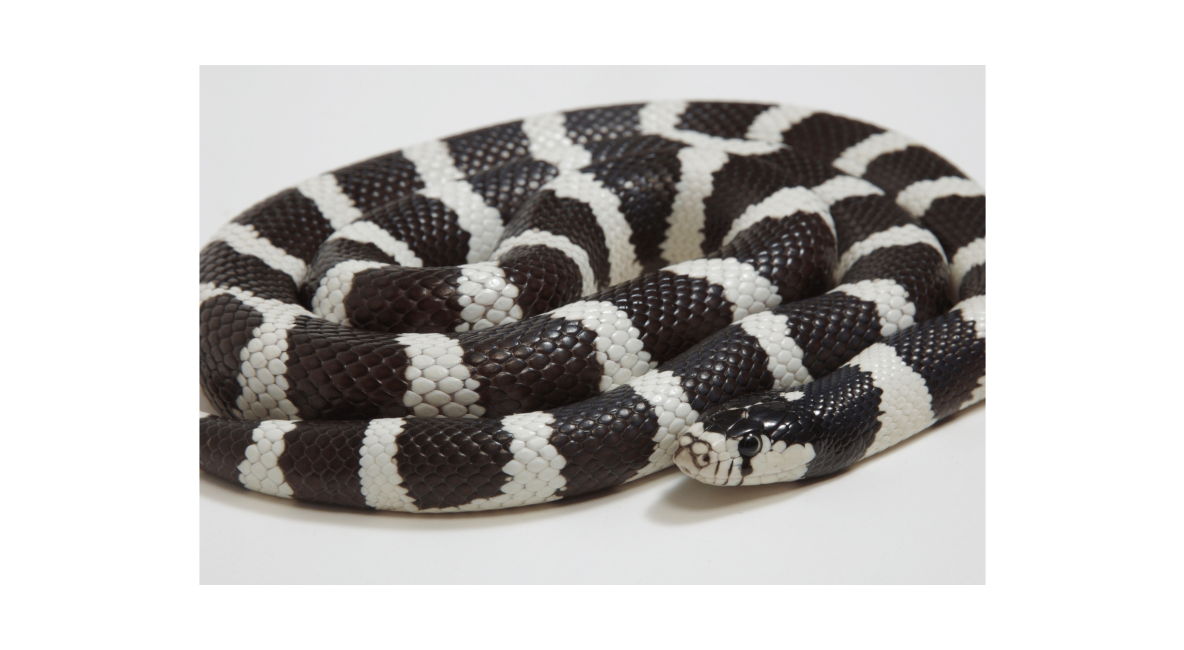
The Kingsnake is one of the most widely kept and respected groups of colubrid snakes in the reptile hobby. Known for their strong feeding response, adaptable nature, and wide range of patterns and species variations, kingsnakes are often considered one of the most dependable snakes for both new and experienced keepers—so long as their energy and temperament are understood and properly managed.
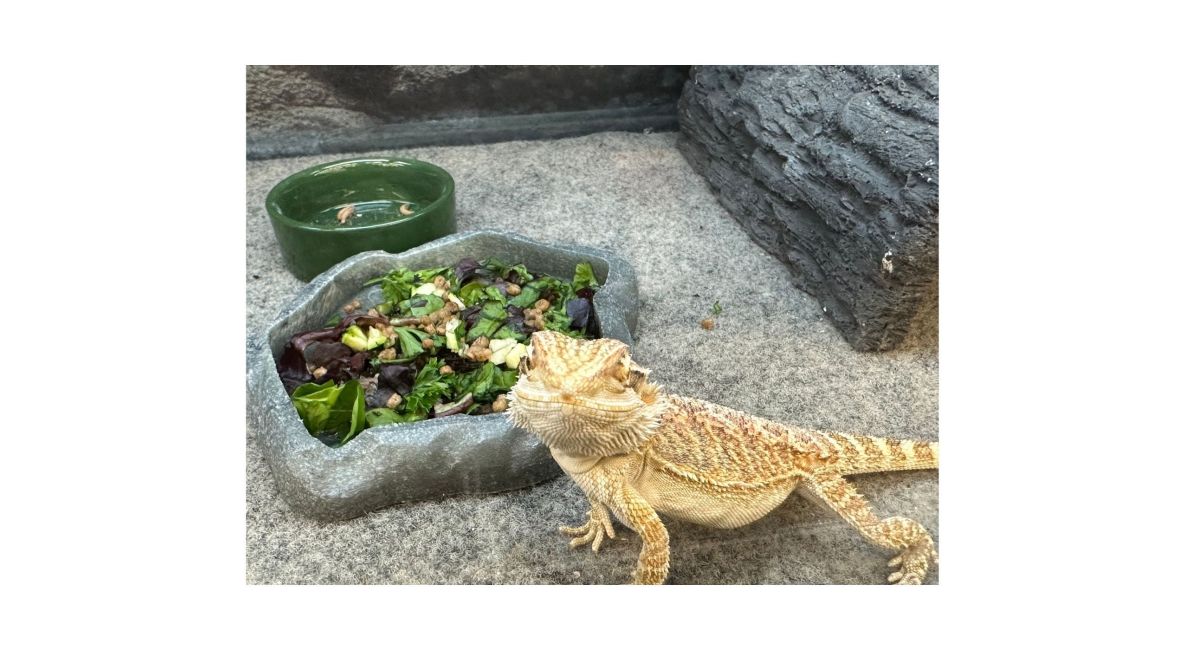
Bearded dragons have earned their reputation as one of the best pet reptiles for beginners and experienced keepers alike. Known for their friendly personalities, curious nature, and manageable care requirements, these Australian lizards have become one of the most popular reptile species in captivity.
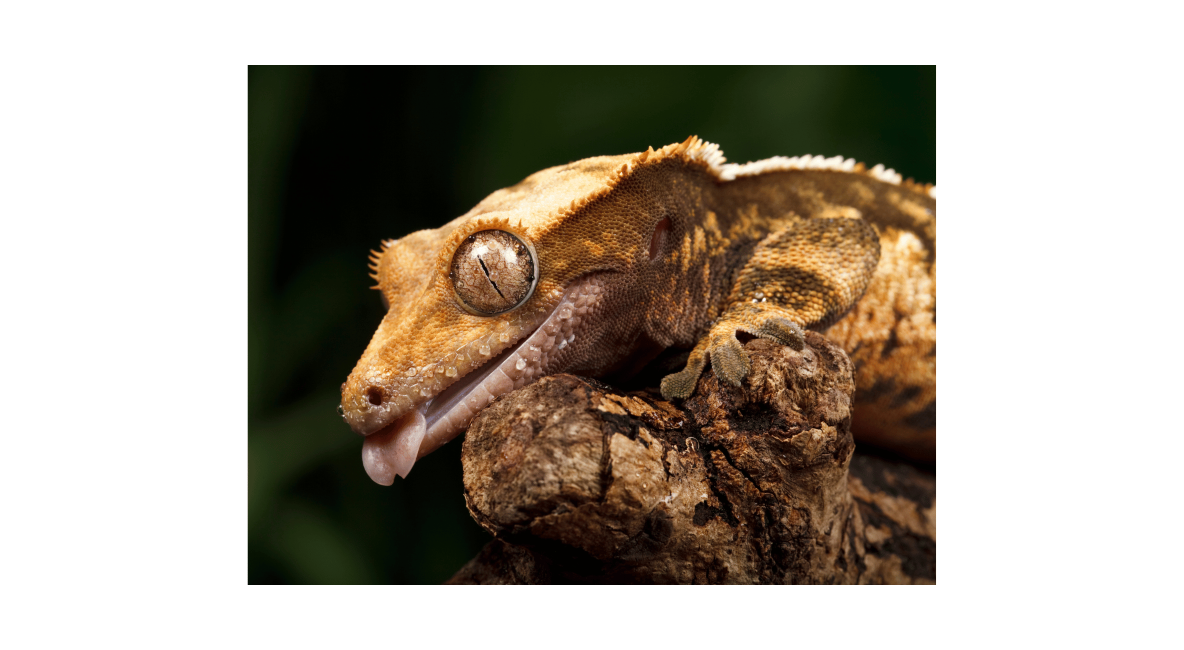
Crested geckos have become one of the most popular pet reptiles in the world, and it's easy to see why. Their unique appearance, calm temperament, manageable care requirements, and incredible variety of colors and patterns have made them a favorite among both beginner and experienced reptile keepers alike.
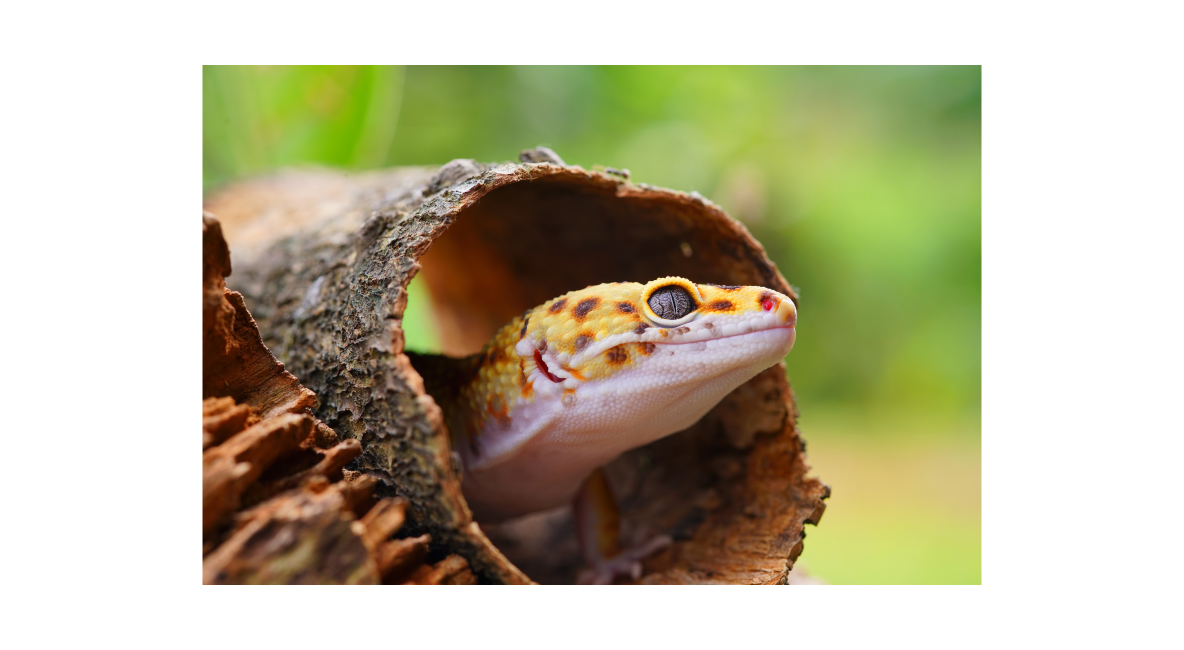
Leopard geckos are one of the most popular pet reptiles in the world—and for good reason. Their manageable size, calm temperament, incredible variety of colors and patterns, and relatively straightforward care requirements make them a favorite among both new and experienced reptile keepers.
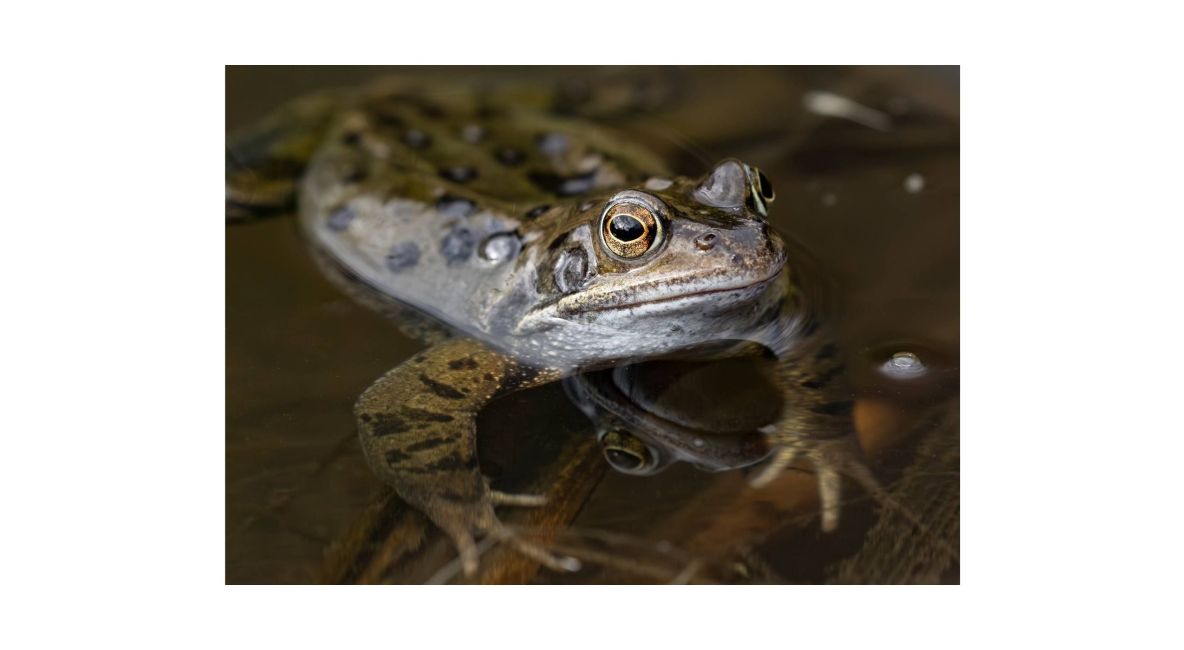
If you’ve ever stepped outside on a warm spring night and heard a chorus of croaks, chirps, and trills, you’re not alone.
That nighttime soundtrack isn’t random.
It’s one of nature’s most important seasonal events: frog breeding season.
Understanding why frogs are so loud in the spring and why they sing at night can help you appreciate one of the most fascinating (and often overlooked) wildlife behaviors happening right in your backyard.
In the reptile community, one topic consistently sparks debate, keeping reptiles in small plastic tubs. These setups are often defended as industry standard, space efficient, or acceptable because the animal eats and sheds. However, an important distinction is often overlooked.
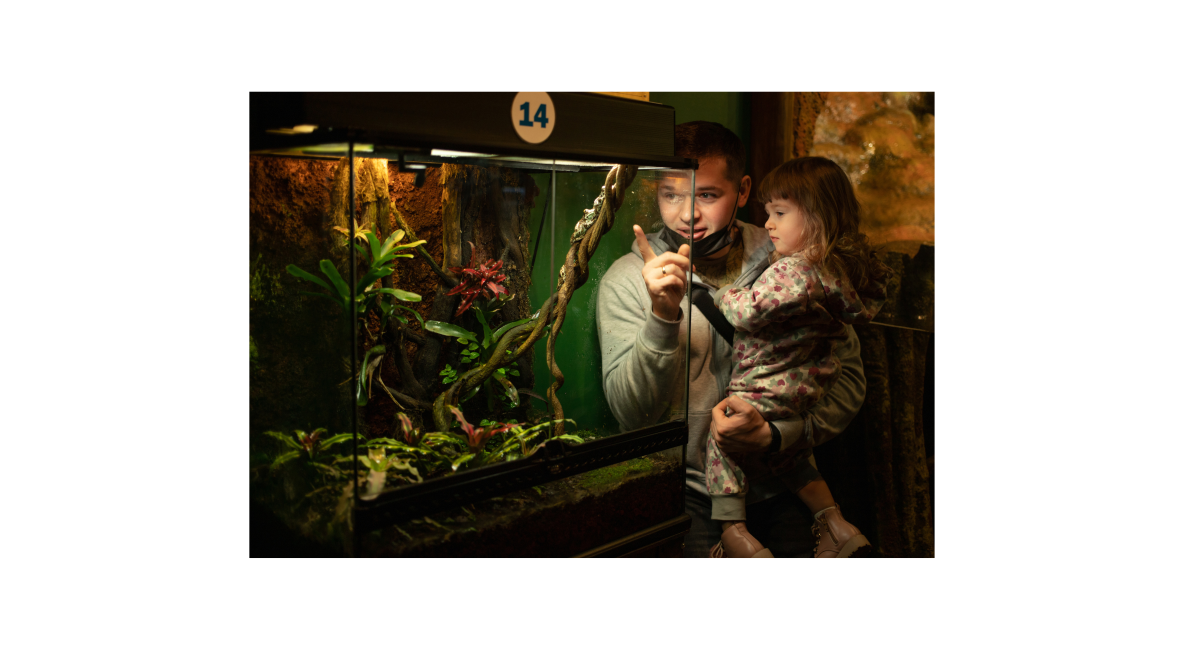
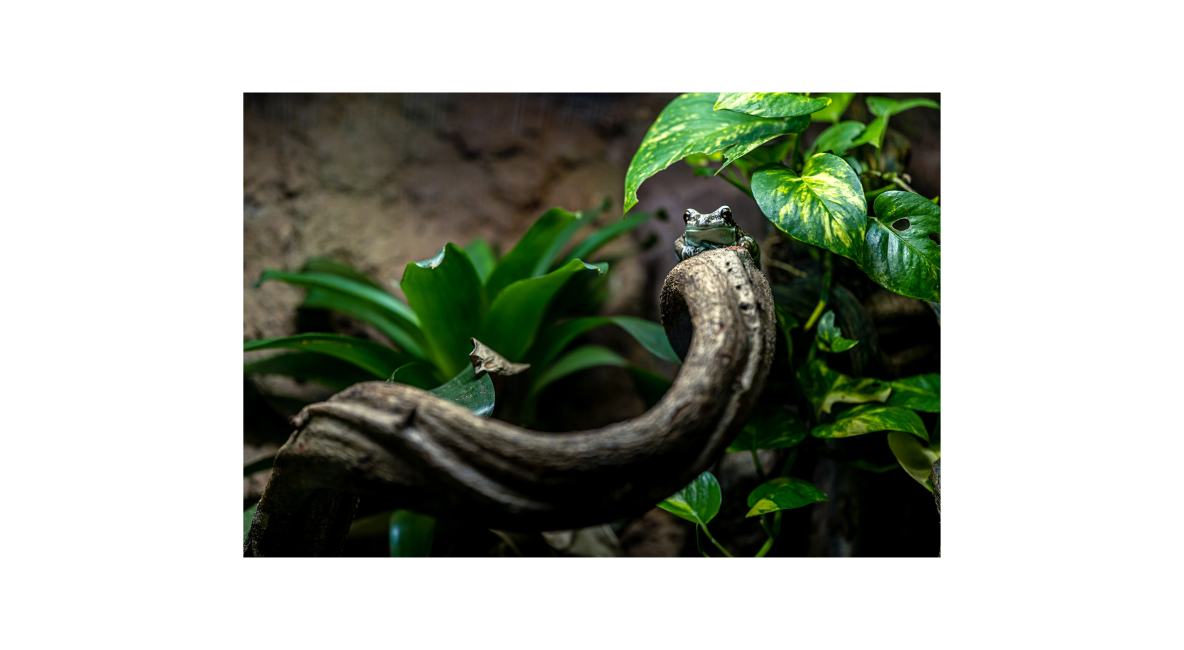
One of the most rewarding parts of keeping reptiles is not just owning an incredible animal. It is creating an environment where that animal can truly thrive. Replicating a reptile’s natural habitat goes far beyond appearance. It directly affects health, behavior, appetite, stress levels, and even lifespan.