One of the most rewarding parts of keeping reptiles is not just owning an incredible animal. It is creating an environment where that animal can truly thrive. Replicating a reptile’s natural habitat goes far beyond appearance. It directly affects health, behavior, appetite, stress levels, and even lifespan.
Too often, enclosures are designed for convenience rather than realism. While reptiles are resilient, they perform best when their surroundings closely resemble what nature intended. Understanding habitat replication is a key part of responsible reptile care.
Understanding Your Reptile’s Natural Environment
Every reptile species evolved to survive in a specific environment. Deserts, rainforests, grasslands, rocky outcrops, and tree canopies all create very different conditions.
Before selecting décor or equipment, research the following:
-
Native climate, including temperature ranges and humidity levels
-
Natural terrain such as sand, soil, leaf litter, rock, or bark
-
Activity patterns such as diurnal, nocturnal, or crepuscular behavior
-
Lifestyle categories including arboreal, terrestrial, fossorial, or semi-aquatic
When you understand how a reptile lives in the wild, enclosure design becomes intentional and significantly more effective.
Core Elements of a Naturalistic Reptile Habitat
Temperature Gradients and Thermoregulation
In the wild, reptiles regulate body temperature by moving between warm and cool areas. A proper enclosure should always include:
-
A basking zone
-
A warm ambient area
-
A cooler retreat
This temperature gradient allows reptiles to thermoregulate naturally, which supports digestion, immune function, and overall energy levels.
Proper Lighting and UVB Exposure
Sunlight is essential in nature and should not be optional in captivity. UVB lighting helps reptiles:
-
Metabolize calcium efficiently
-
Prevent metabolic bone disease
-
Maintain normal activity and behavioral patterns
UVB strength should be matched to the species. Desert species require stronger UVB exposure than forest or shade-dwelling reptiles.
Humidity and Proper Hydration
Humidity is one of the most commonly overlooked aspects of reptile habitat design. Incorrect humidity levels can lead to:
-
Retained sheds
-
Respiratory infections
-
Chronic dehydration
Humidity should reflect what the species experiences in the wild. This can be achieved through misting, fogging, live plants, water features, or moisture-retaining substrates.
Choosing the Right Substrate for Natural Behavior
Substrate does more than cover the enclosure floor. It influences digging behavior, humidity retention, and comfort.
-
Desert species benefit from sand and soil blends or clay-based substrates
-
Tropical species thrive on soil, coco fiber, and leaf litter
-
Burrowing species require depth and structure
Avoid overly sterile setups when possible. Natural substrates encourage instinctive behaviors and reduce stress.
Hides, Enclosure Clutter, and Security
In nature, reptiles are rarely exposed. They depend on rocks, logs, foliage, and burrows for protection.
A well-designed enclosure should include:
-
Multiple hides in both warm and cool areas
-
Visual barriers to reduce stress
-
Climbing structures or ground clutter
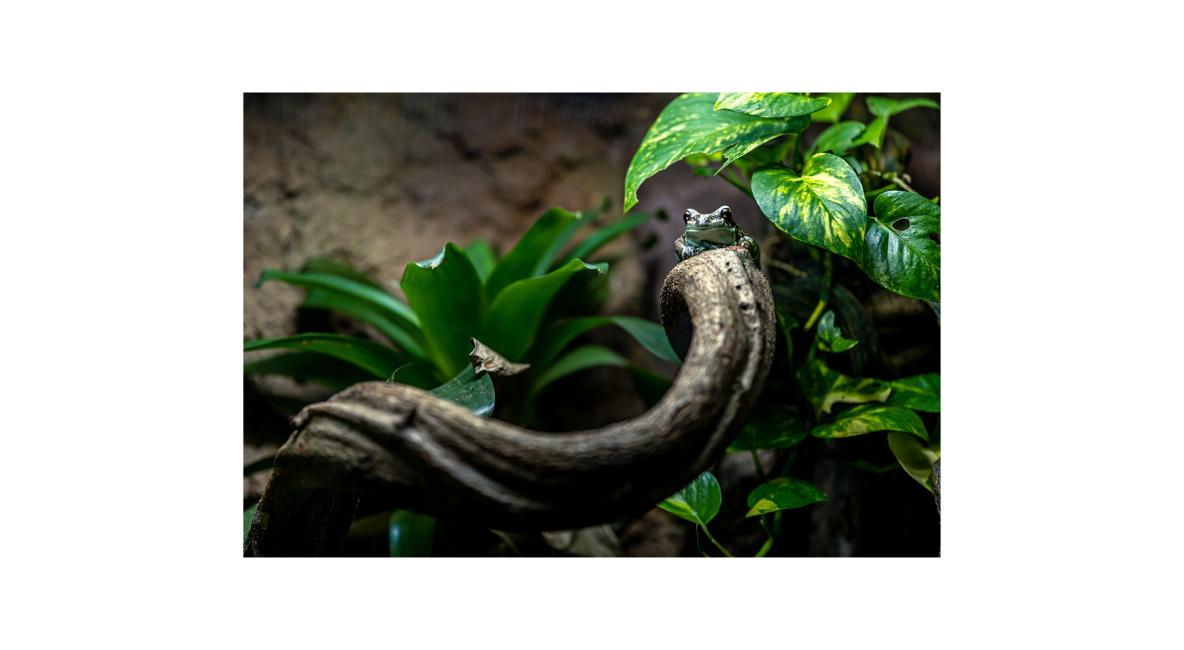
A cluttered enclosure is not messy. It creates security. When reptiles feel safe, they eat more consistently, explore confidently, and display fewer stress-related behaviors.
Bioactive Reptile Enclosures and Living Ecosystems
Bioactive setups take habitat replication to the next level. By incorporating live plants, microfauna such as springtails and isopods, and layered natural soils, keepers create a functioning ecosystem that:
-
Breaks down waste naturally
-
Helps control odors
-
Stabilizes humidity
-
Closely mimics wild environments
Although bioactive enclosures require planning, they provide long-term benefits for both reptiles and keepers.
Reptile Behavior as a Measure of Habitat Success
One of the clearest indicators of a successful habitat is behavior. Reptiles in well-designed enclosures often:
-
Display natural hunting and foraging behaviors
-
Bask and retreat appropriately
-
Shed cleanly and consistently
-
Appear alert and confident rather than defensive
When the environment is correct, the animal’s behavior reflects it.
Final Thoughts on Natural Habitat Replication
Replicating a reptile’s natural habitat is not about perfection. It is about intention. Every improvement made brings the enclosure closer to what the reptile instinctively recognizes as home.
By prioritizing natural lighting, temperature gradients, humidity, substrate, and security, keepers are not simply creating a display enclosure. They are building a life-support system rooted in nature.
When reptiles are provided environments that respect their origins, they do more than survive. They flourish.


