

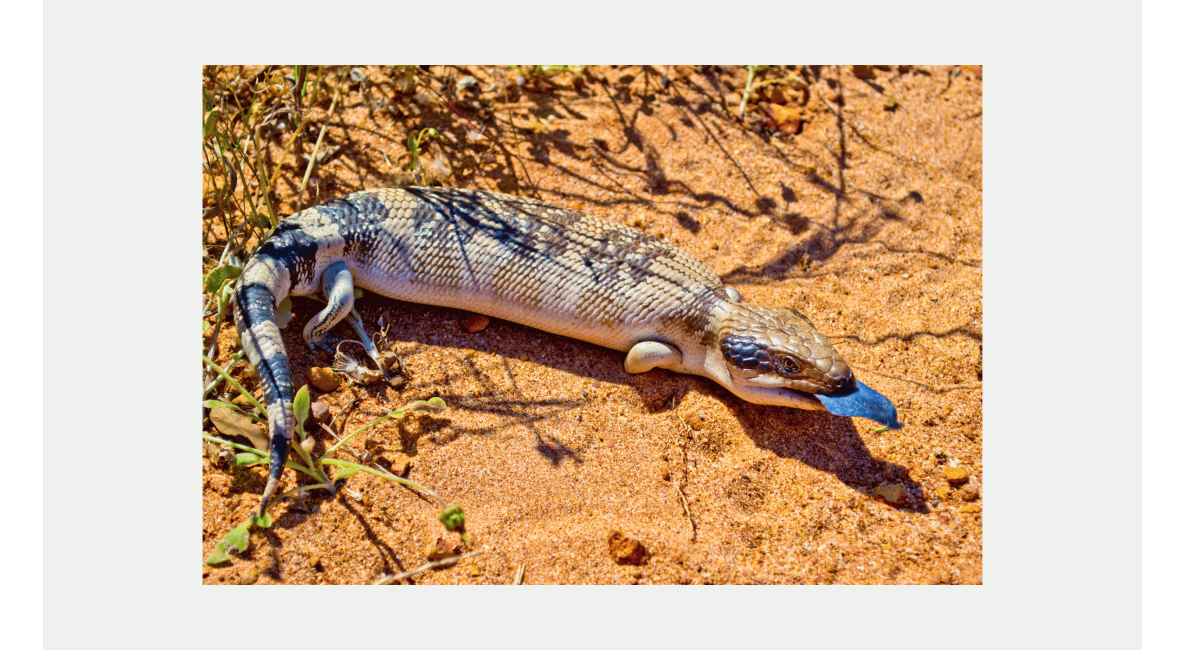
Blue-tongued skink is one of the most dependable and beginner-friendly lizards in the reptile hobby, valued for its calm temperament, strong feeding response, and straightforward care requirements. Unlike many reptiles that demand highly specialized environments, blue tongue skinks adapt well to captivity when their basic needs—heat, space, diet, and security—are consistently met.
At Show Me Reptiles, they’re often recommended as one of the best “first lizards” for keepers who want something more interactive than a snake but less demanding than advanced arboreal or high-energy species.
Natural History & Behavior
Blue tongue skinks are native to Australia, Indonesia, and surrounding regions, depending on species and locality. They inhabit grasslands, woodlands, scrub areas, and semi-arid environments, often spending time foraging on the ground and hiding under debris or vegetation.
Their most recognizable trait is their bright blue tongue, used as a defensive display to deter predators. When threatened, they may puff up their body, hiss, and show the tongue as a warning rather than attempting to flee or bite.
In captivity, this translates into a generally calm, curious lizard that becomes highly tolerant of handling with routine interaction.
Enclosure Setup
Blue tongue skinks thrive in simple, well-structured terrestrial enclosures that allow for digging, basking, and secure hiding.
Core setup guidelines:
-
Juveniles: 40-gallon breeder minimum
-
Adults: 4x2x2 ft enclosure recommended
-
Temperature gradient: 75–82°F cool side / 85–90°F warm side
-
Basking spot: 95–105°F
-
Humidity: 30–60% depending on species (Australian vs Indonesian types vary)
They require a strong basking zone paired with a cooler retreat area to properly thermoregulate. Substrate should allow for digging and moisture retention when needed, such as cypress mulch, soil blends, or coconut husk.
At least two hides are essential, along with clutter like cork bark, branches, and artificial foliage to reduce stress and encourage natural movement.
Diet & Nutrition
Blue tongue skinks are omnivores, and a balanced diet is one of the most important parts of their long-term health.
Staple diet components:
-
Leafy greens (collards, mustard greens, dandelion greens)
-
Vegetables (squash, carrots, green beans)
-
Protein sources (insects, snails, cooked lean meats, high-quality canned diets)
-
Occasional fruit (berries, papaya, mango in moderation)
Diet balance is critical—too much protein can lead to obesity and kidney stress, while too little can affect growth and energy levels.
Calcium supplementation is recommended regularly, especially for juveniles and breeding adults.
Handling & Temperament
Blue tongue skinks are widely known for their calm and manageable temperament. Most individuals tolerate handling well once acclimated, and many will actively explore their keeper during interaction sessions.
Juveniles may be shy or defensive at first, but this usually improves quickly with consistent, gentle handling. Unlike more reactive reptiles, blue tongue skinks tend to rely on bluffing behaviors rather than biting.
They are often considered one of the most “dog-like” reptiles due to their steady, predictable behavior patterns.
Common Health Concerns
Blue tongue skinks are hardy when properly cared for, but several issues can arise with incorrect husbandry:
-
Obesity from excessive protein or overfeeding
-
Metabolic bone disease from poor UVB or calcium imbalance
-
Respiratory infections from improper humidity or ventilation
-
Shedding issues due to low humidity or dehydration
Regular monitoring of body condition and diet balance is key to long-term health.
Final Insight: Why Blue Tongue Skinks Stay a Staple in the Hobby
Blue tongue skinks combine durability, intelligence, and calm temperament in a way that makes them one of the most accessible reptiles for long-term keeping. They don’t require extreme setups or specialized environments, but they still reward proper care with steady behavior and strong interaction over time.
For keepers at Show Me Reptiles, they represent one of the most well-rounded reptile options available—grounded, reliable, and consistently rewarding for both new and experienced hobbyists.


