
Crested geckos have become one of the most popular pet reptiles in the world, and it's easy to see why. Their unique appearance, calm temperament, manageable care requirements, and incredible variety of colors and patterns have made them a favorite among both beginner and experienced reptile keepers alike.
Once thought to be extinct, the crested gecko (Correlophus ciliatus) was rediscovered in New Caledonia in 1994 and has since become one of the reptile hobby's greatest success stories. Today, captive breeding has made these fascinating lizards readily available while helping reduce pressure on wild populations.
Whether you're bringing home your first crested gecko or looking to improve your husbandry, understanding their natural behaviors and environmental needs is essential. With proper care, crested geckos can live 15 to 20 years or longer, making them a rewarding long-term companion.
Why Crested Geckos Make Great Pets
Crested geckos are native to the tropical forests of New Caledonia, where they spend much of their lives climbing through trees, vines, and dense vegetation. Unlike leopard geckos, crested geckos are arboreal, meaning they spend most of their time off the ground.
Their popularity continues to grow because they offer many qualities that make them excellent pets:
- Beginner-friendly care requirements
- Gentle and docile personalities
- Beautiful colors and morphs
- No live insect-only diet required
- Quiet and odor-free
- Easy to maintain
- Excellent climbers with fascinating behaviors
- Relatively small adult size
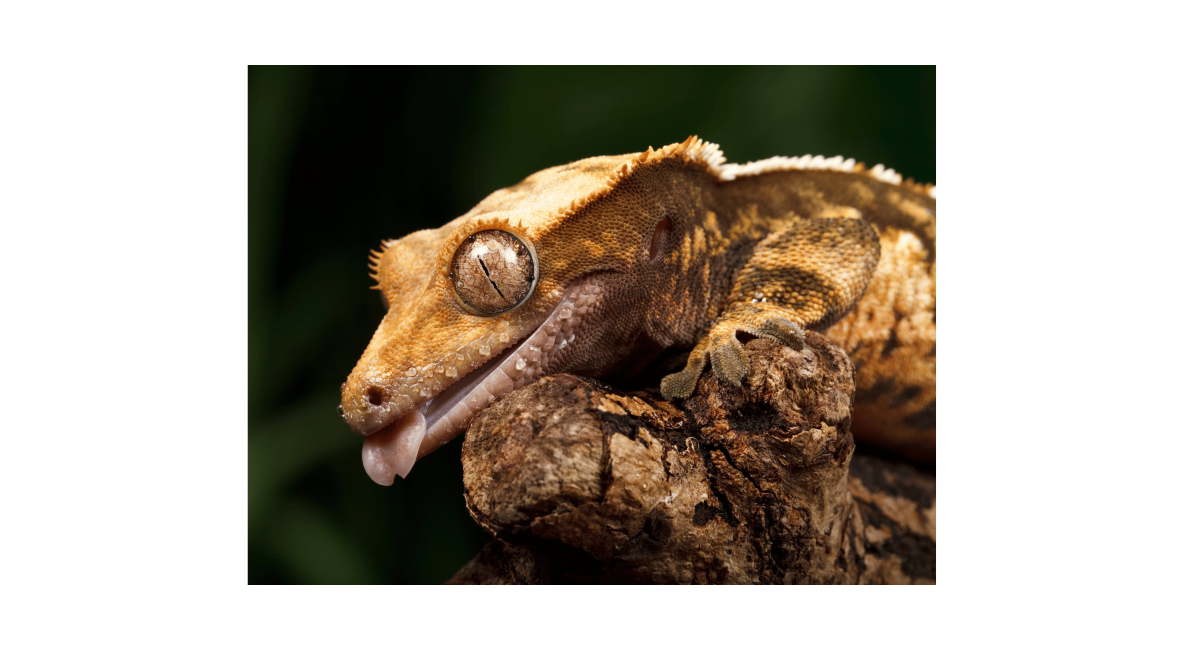
One of their most recognizable features is the row of soft crests running from above each eye down the sides of the head, earning them the nickname “eyelash gecko.” They also have specialized toe pads covered in microscopic hairs that allow them to effortlessly climb glass, branches, and nearly any textured surface.
Perhaps one of the most entertaining behaviors you’ll observe is your crested gecko cleaning its own eyes with its tongue. Since they lack eyelids, they regularly lick their eyes to keep them clean and moist.
Crested Gecko Size and Lifespan
Adult crested geckos typically reach:
| Age | Size |
|---|---|
| Hatchling | 3–4 inches |
| Juvenile | 5–7 inches |
| Adult | 8–10 inches |
Adult crested geckos generally weigh between 35 and 70 grams, depending on genetics, sex, and body condition.
With proper care, many cresties live:
- 15–20 years on average
- 20+ years with excellent husbandry
Owning a crested gecko is a long-term commitment, so it’s important to be prepared before bringing one home.
Choosing a Healthy Crested Gecko
Whether you're purchasing from a breeder, reptile expo, or specialty pet store, choosing a healthy animal is the first step toward success.
Look for a gecko that has:
- Bright, alert eyes
- Smooth skin
- Healthy body weight
- Strong grip while climbing
- Straight spine and limbs
- Clean nose and vent
- Active behavior
Avoid geckos that appear dehydrated, extremely thin, lethargic, or show signs of injury or illness.
Purchasing from a reputable breeder gives you the opportunity to ask questions about genetics, feeding history, and overall health.
The Ideal Crested Gecko Enclosure
Unlike many terrestrial reptiles, height is much more important than floor space for crested geckos. These geckos spend most of their time climbing and resting among branches and foliage.
Recommended Enclosure Sizes
| Life Stage | Minimum Enclosure |
|---|---|
| Hatchling | 8–10 gallon grow-out enclosure |
| Juvenile | 12" x 12" x 18" |
| Adult | 18" x 18" x 24" |
| Ideal Adult | 24" x 24" x 36" or larger |
Front-opening glass or PVC enclosures are ideal because they maintain humidity while allowing proper ventilation.
Temperature and Lighting
Crested geckos thrive at temperatures similar to most household environments.
Ideal Temperature Range
- Daytime: 72–78°F
- Warm area: 78–80°F
- Night: 68–72°F
Temperatures above 82°F can cause heat stress and should be avoided.
Do Crested Geckos Need UVB?
While not strictly required, low-level UVB lighting is increasingly recommended. It supports natural behaviors and long-term health when used properly.
A shaded-dwelling reptile UVB bulb is ideal, paired with a consistent day/night cycle.
Humidity Requirements
Humidity is one of the most important aspects of crested gecko care.
Aim for 55%–80% humidity, allowing the enclosure to dry slightly between misting sessions.
Most keepers mist:
- Once in the morning
- Once in the evening
Proper humidity supports:
- Hydration
- Healthy shedding
- Respiratory health
- Overall wellbeing
Fresh water should always be available, though many geckos prefer drinking droplets from leaves after misting.
Decorating Your Crested Gecko Habitat
Crested geckos thrive in enriched, naturalistic environments filled with climbing opportunities.
Essential Enclosure Items
- Cork bark
- Branches
- Vines
- Live or artificial plants
- Elevated hides
- Feeding ledges
- Horizontal resting areas
A heavily planted enclosure reduces stress and encourages natural movement and exploration.
Best Substrate Options
Substrate helps maintain humidity and keep the enclosure clean.
Recommended Options
- Coconut fiber
- Bioactive soil mixes
- Orchid bark blends
- Paper towels (quarantine or hatchlings)
- Moss for humidity control
Avoid
- Sand
- Gravel
- Cedar or pine
- Very dry loose substrates for juveniles
Bioactive setups with clean-up crews are especially popular for long-term stability.
What Crested Geckos Eat
Crested geckos are omnivores but thrive primarily on complete powdered diets.
Staple Diet
- Commercial crested gecko meal replacement powders (CGD/MRP)
Brands such as Repashy and Pangea are widely used and nutritionally complete.
Insects (Optional)
- Crickets
- Dubia roaches
- Black soldier fly larvae
Insects should be gut-loaded and dusted before feeding.
Feeding Schedule
Juveniles
- Daily or every other day
- Small portions of CGD
- Occasional insects
Adults
- 2–3 times per week
- Adjust based on body condition
- Remove uneaten food within 24 hours
Powdered Diets vs. Insects
Powdered diets should always be the foundation.
Benefits
- Complete nutrition
- Easy preparation
- Low risk of parasites
- Consistent feeding
Insects should be used as enrichment, not the primary diet.
Supplementation
Even with complete diets, supplementation is still recommended.
- Calcium (with or without D3 depending on UVB use)
- Multivitamin (1–2 times per month)
Avoid over-supplementation.
Handling and Temperament
Crested geckos are generally calm but can be shy at first.
Handling Tips
- Allow 1–2 weeks acclimation
- Handle in the evening
- Move slowly and gently
- Let them walk between hands
- Keep sessions short initially
Tail Loss Note
Crested geckos do not regenerate their tails. While not dangerous, tail loss is permanent and often caused by stress or improper handling.
Common Health Problems
Potential Issues
- Dehydration
- Improper shedding
- Metabolic bone disease
- Respiratory infections
- Parasites
Warning Signs
- Lethargy
- Weight loss
- Sunken eyes
- Poor shedding
- Wheezing
Early treatment is critical.
Popular Crested Gecko Morphs
Crested geckos come in a wide range of colors and patterns.
- Harlequin
- Flame
- Dalmatian
- Pinstripe
- Tiger/Brindle
- Extreme Harlequin
Selective breeding continues to expand available morphs.
Beginner Mistakes to Avoid
- Overheating enclosure
- Improper humidity levels
- Poor diet variety
- Handling too soon
- Skipping supplements
- Inconsistent feeding
Frequently Asked Questions
Do crested geckos bite?
Rarely, and bites are harmless.
Do they need heat lamps?
Usually not in a normal home environment.
Can they live together?
No — they are solitary animals.
Do they need water bowls?
Yes, but they often prefer droplets after misting.
Final Thoughts
Crested geckos are one of the best reptile choices for both beginners and experienced keepers. Their calm temperament, simple diet, and stunning variety of morphs make them both enjoyable and low-maintenance.
With proper enclosure setup, humidity control, and a consistent feeding routine, crested geckos can live long, healthy lives spanning decades.
They are not just pets — they are long-term companions that reward good care with fascinating behavior and unique personalities.
Want to See Crested Geckos in Person?
If you want to explore different morphs, meet reputable breeders, and learn more about proper reptile care, check out local reptile expos through Show Me Reptiles events near you.


