

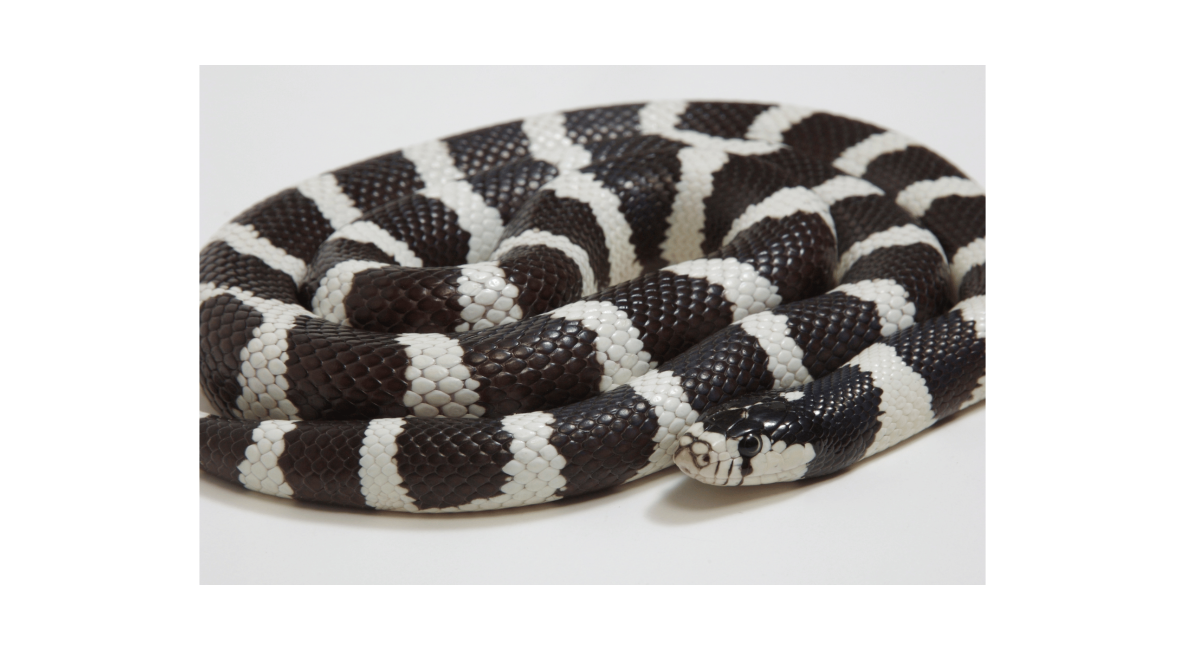
The Kingsnake is one of the most widely kept and respected groups of colubrid snakes in the reptile hobby. Known for their strong feeding response, adaptable nature, and wide range of patterns and species variations, kingsnakes are often considered one of the most dependable snakes for both new and experienced keepers—so long as their energy and temperament are understood and properly managed.
At Show Me Reptiles, kingsnakes are valued for their hardiness and straightforward husbandry, but also for their personality. They are active, curious, and confident snakes that behave very differently from more sedentary species like ball pythons, making them a great option for keepers who want a more responsive animal.
Natural History & Behavior
Kingsnakes are native to a wide range of habitats across the United States and Mexico, including deserts, forests, grasslands, and agricultural areas. Their adaptability is one of their defining traits, allowing them to thrive in environments that vary significantly in temperature and humidity.
In the wild, they are opportunistic predators known for eating rodents, lizards, birds, and even other snakes—including venomous species. This natural feeding behavior is where their name “kingsnake” originates.
In captivity, this translates into a bold, active snake that is often curious, alert, and quick to respond to food or movement.
Enclosure Setup
Kingsnakes do best in simple but secure enclosures that allow for movement and exploration while still providing security when needed.
Basic setup requirements:
-
Juveniles: 20-gallon long minimum
-
Adults: 40-gallon breeder or larger recommended
-
Temperature gradient: 75–82°F cool side / 85–88°F warm side
-
Basking area: up to ~90°F
-
Humidity: 40–60% depending on species/locality
They benefit from at least two hides (warm and cool side), as well as additional clutter like branches, cork bark, and artificial or live plants to reduce stress and encourage natural movement.
Aspen bedding, cypress mulch, or reptile-safe soil blends are commonly used depending on humidity needs.
A secure enclosure lid is essential—kingsnakes are strong, active, and excellent escape artists.
Feeding & Diet
Kingsnakes are enthusiastic feeders, often more aggressive at feeding time than many other commonly kept species.
Feeding guidelines:
-
Hatchlings: pinky mice every 5–7 days
-
Juveniles: appropriately sized mice every 7 days
-
Adults: adult mice or small rats every 10–14 days
Because of their strong feeding response, overfeeding can be a concern, especially in captive-bred individuals that are eager eaters year-round. Monitoring body condition is important to prevent obesity.
Fresh water should always be available in a sturdy dish large enough for soaking.
Handling & Temperament
Kingsnakes are known for being active and sometimes defensive as juveniles, often musking, rattling their tails, or striking when nervous. However, most individuals calm significantly with consistent, gentle handling.
They are not “sit still” snakes—they are more exploratory and will often move continuously during handling sessions. This is normal behavior and not a sign of stress once acclimated.
Regular short handling sessions help build trust and reduce defensive responses over time.
Common Health Concerns
Kingsnakes are generally hardy when kept in appropriate conditions, but some common issues include:
-
Respiratory infections (from incorrect temperatures or humidity imbalance)
-
Parasites (especially in wild-caught or poorly quarantined animals)
-
Obesity (from frequent feeding of high-response individuals)
-
Stress-related defensive behavior in undersized or barren enclosures
Proper enclosure design and consistent care significantly reduce health risks.
Final Insight: What Makes Kingsnakes Stand Out in Captivity
Kingsnakes are one of the clearest examples of adaptability in the reptile hobby. They tolerate a wide range of conditions, respond well to consistent care, and quickly demonstrate personality once settled. Unlike more sedentary species, they bring energy and movement into captivity, making them engaging animals to observe and work with.
For keepers at Show Me Reptiles, kingsnakes represent reliability with personality—an ideal combination for anyone looking for a hardy, active, and rewarding colubrid species.


