

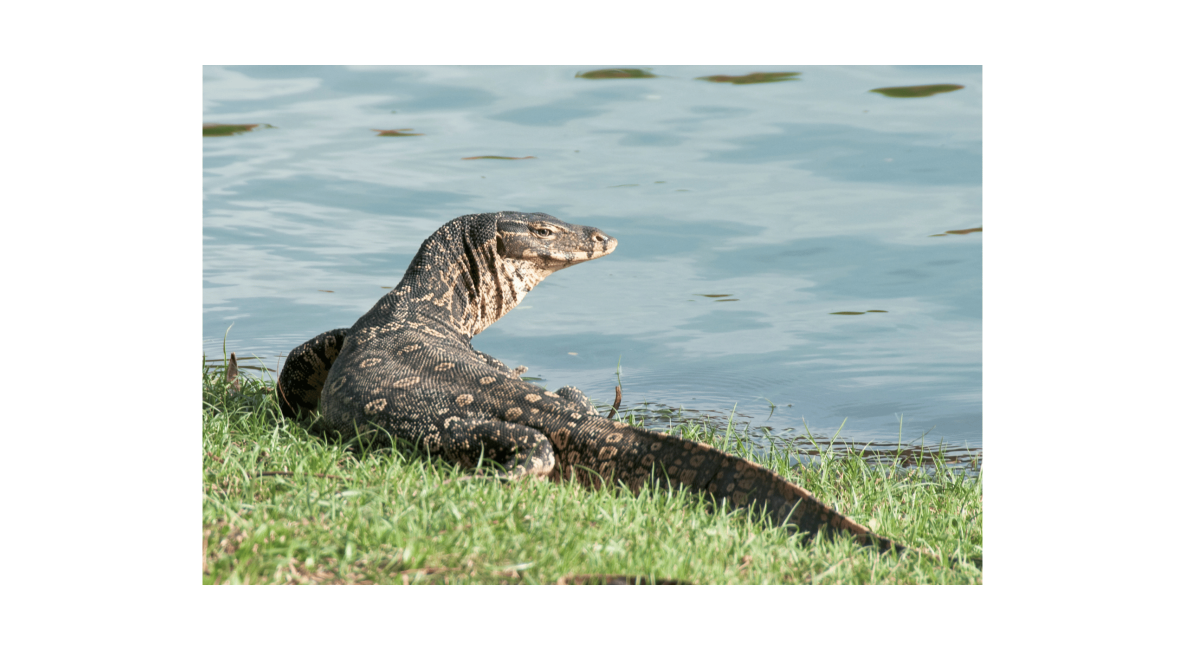
The Asian water monitor is one of the largest and most intelligent monitor lizards commonly encountered in the reptile hobby. Known for their rapid growth, strong feeding response, and highly inquisitive behavior, they are not a casual reptile choice. This is a species that demands space, structure, and consistent long-term commitment—but in return, they offer some of the most complex and engaging behavior in the reptile world.
At Show Me Reptiles, Asian water monitors are viewed as advanced-level animals that require experienced handling and a clear understanding of large reptile husbandry. When properly kept, they are responsive, observant, and capable of recognizing routine and keeper presence over time.
Natural History & Behavior
Asian water monitors are native to South and Southeast Asia, where they inhabit wetlands, mangroves, riversides, forests, and even urban areas. They are one of the most adaptable monitor species on the planet, thriving in environments ranging from wild marshes to city canals.
In the wild, they are opportunistic predators and scavengers, feeding on fish, amphibians, birds, rodents, carrion, and a wide range of available food sources. Their intelligence and adaptability allow them to exploit nearly any ecological niche they occupy.
In captivity, this translates into a highly active, observant lizard that spends much of its time exploring, climbing, digging, and monitoring its surroundings.
Enclosure Setup
Proper housing for an Asian water monitor is one of the most demanding aspects of their care. Juveniles can be started indoors, but adults require large-scale, often custom-built enclosures.
Core requirements:
-
Juveniles: large secure enclosure with strong vertical space and water access
-
Adults: custom-built enclosure or outdoor secure habitat (often 8x4 ft minimum footprint or larger)
-
Temperature gradient: 80–90°F ambient
-
Basking area: 100–120°F
-
Night temps: can drop to mid-70s depending on humidity
-
Humidity: 60–80%, with access to high-moisture zones
A large water feature is essential—these monitors are semi-aquatic and will frequently soak, swim, and defecate in water. Filtration or regular cleaning is required to maintain hygiene.
Enclosures must be extremely secure. Asian water monitors are strong, intelligent, and capable of escaping poorly reinforced habitats.
Diet & Feeding
Asian water monitors are highly opportunistic feeders with a strong appetite and rapid growth rate.
Diet staples:
-
Whole prey items (rodents, chicks, quail)
-
Fish and aquatic protein sources
-
Insects (especially juveniles)
-
Occasional eggs or organ meats for variety
Feeding frequency depends heavily on age:
-
Juveniles: frequent feedings to support growth
-
Adults: spaced meals to prevent obesity and organ stress
Variety is critical. A balanced diet helps prevent metabolic issues and supports healthy bone and muscle development.
Handling & Temperament
This species is intelligent and capable of recognizing routine, but they are not naturally “handleable” in the way smaller reptiles are. Temperament varies widely between individuals, and early life interaction plays a major role in long-term behavior.
Some captive-bred individuals can become tolerant of keeper presence and basic management, but even well-adjusted monitors retain strong instincts and physical power.
Respectful, low-stress interaction and consistent routines are key. This is not a species that should be forced into handling scenarios without clear purpose and experience.
Common Health Concerns
Most health issues in Asian water monitors are related to enclosure size, diet, or environmental control.
Common concerns include:
-
Obesity (very common in captivity)
-
Metabolic bone disease (inadequate UVB/calcium balance)
-
Skin infections or injuries (improper humidity or enclosure setup)
-
Stress-related behavior in undersized enclosures
-
Water hygiene-related bacterial issues
Proper space, nutrition, and filtration systems dramatically reduce risk.
Final Insight: What Responsible Large Monitor Keeping Requires
Asian water monitors are not a “step-up reptile”—they are a commitment to advanced husbandry, infrastructure, and long-term care planning. When their needs are fully met, they display remarkable intelligence, routine recognition, and environmental awareness that make them one of the most fascinating lizards in captivity.
For keepers at Show Me Reptiles, they represent the highest level of responsibility in large reptile keeping: demanding, powerful, and deeply rewarding for those prepared to meet the standard they require.


