

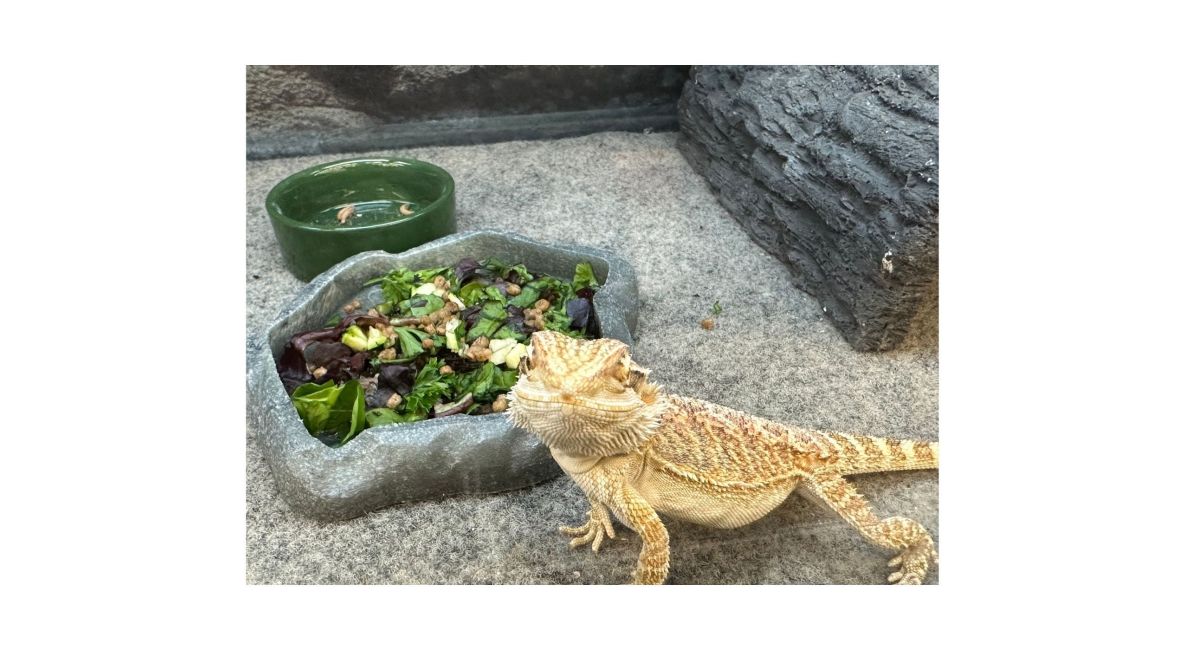
Bearded dragons have earned their reputation as one of the best pet reptiles for beginners and experienced keepers alike. Known for their friendly personalities, curious nature, and manageable care requirements, these Australian lizards have become one of the most popular reptile species in captivity.
Native to the arid woodlands and deserts of Australia, the central bearded dragon (Pogona vitticeps) thrives in warm, dry environments and spends much of its day basking, exploring, and hunting for food. Their calm temperament and willingness to interact with people make them one of the most rewarding reptiles to own.
Whether you're purchasing your first bearded dragon or looking to improve your husbandry, understanding their natural habitat and care requirements is essential. With proper care, bearded dragons can live 10 to 15 years or more, making them a long-term companion.
Why Bearded Dragons Make Great Pets
Few reptiles are as interactive and personable as bearded dragons. Unlike many reptiles that prefer to remain hidden, beardies are naturally curious and often enjoy watching their surroundings and interacting with their owners.
Their popularity continues to grow because they offer many qualities that make them excellent pets:
-
Beginner-friendly when properly housed
-
Gentle and docile temperament
-
Highly interactive
-
Diurnal (awake during the day)
-
Readily available through captive breeders
-
Easy to handle with regular socialization
-
Distinct personalities
-
Long lifespan
Their name comes from the loose scales beneath their chin that expand into a dark "beard" when they feel threatened, excited, or are displaying dominance.
Bearded dragons are also known for amusing behaviors like arm waving, head bobbing, glass surfing, and pancake basking—flattening their bodies to absorb more heat.
Bearded Dragon Size and Lifespan
Bearded dragons grow rapidly during their first year of life.
| Age | Size |
|---|---|
| Hatchling | 4–6 inches |
| Juvenile | 8–16 inches |
| Adult | 18–24 inches |
Adult dragons typically weigh between 350 and 600 grams, although some individuals may grow larger depending on genetics and body condition.
With proper husbandry, most bearded dragons live:
-
10–15 years on average
-
15+ years with exceptional care
Owning a bearded dragon is a long-term commitment that requires proper planning before bringing one home.
Choosing a Healthy Bearded Dragon
Whether purchasing from a breeder, reptile expo, or specialty reptile store, selecting a healthy dragon is one of the most important steps toward long-term success.
Look for a dragon with:
-
Bright, alert eyes
-
Straight limbs and spine
-
Strong appetite
-
Full body condition
-
Clean vent
-
Smooth movement
-
Clear nose and mouth
Avoid dragons that appear extremely thin, lethargic, have swollen joints, or show signs of respiratory illness.
Buying from a reputable breeder also provides valuable information about genetics, feeding history, age, and overall health.
The Ideal Bearded Dragon Enclosure
Unlike arboreal geckos, bearded dragons are terrestrial reptiles that require ample floor space for exploring, basking, and exercising.
Recommended Enclosure Sizes
| Dragon Age | Minimum Enclosure |
|---|---|
| Hatchling | 20-gallon long |
| Juvenile | 40-gallon breeder |
| Adult | 4' x 2' x 2' (120 gallons) |
| Ideal Adult Setup | 5' x 2' x 2' or larger |
Providing a spacious enclosure encourages exercise and allows for a proper temperature gradient.
Essential enclosure furnishings include:
-
Large basking rock or platform
-
Branches for climbing
-
Hides
-
Food and water dishes
-
Hammocks (optional)
-
Slate or natural rock surfaces
Temperature and Lighting
Proper heating and lighting are among the most critical aspects of bearded dragon care.
Ideal Temperature Range
-
Basking surface: 100–110°F (juveniles)
-
Adult basking surface: 95–105°F
-
Warm side: 85–90°F
-
Cool side: 75–80°F
-
Night: 65–75°F
Always measure temperatures using digital thermometers and an infrared temperature gun for basking surfaces.
Do Bearded Dragons Need UVB?
Yes.
Unlike many reptiles, bearded dragons require strong UVB lighting to properly metabolize calcium and maintain healthy bones.
High-output linear UVB fixtures are considered the gold standard and should span much of the enclosure.
Replace UVB bulbs according to the manufacturer's recommendations, even if the bulb still produces visible light.
Provide a consistent 12–14 hour day/night cycle.
Humidity Requirements
Bearded dragons originate from dry environments and require relatively low humidity.
Maintain enclosure humidity between 30% and 40%.
Excessively high humidity may contribute to respiratory infections and other health issues.
Fresh water should always be available, although many dragons obtain much of their hydration from vegetables and insects.
Decorating Your Bearded Dragon Habitat
An enriching enclosure promotes exercise and natural behaviors.
Include:
-
Basking rocks
-
Climbing branches
-
Cork bark
-
Hides
-
Flat slate
-
Safe desert décor
Leave open areas for walking while providing multiple opportunities for climbing and basking.
Best Substrate Options
Choosing the appropriate substrate is an important part of enclosure safety.
Recommended Substrates
-
Slate tile
-
Ceramic tile
-
Textured stone
-
Paper towels (quarantine)
-
Reptile carpet (regularly cleaned)
Naturalistic bioactive desert substrates can also be appropriate when properly designed and maintained.
Substrates to Avoid
-
Calcium sand
-
Walnut shell
-
Loose wood chips
-
Fine playground sand for juveniles
Loose substrates have long been debated, but husbandry, nutrition, and overall enclosure design play a significant role in reducing potential risks.
What Bearded Dragons Eat
Bearded dragons are omnivores whose diet changes as they mature.
Juveniles require significantly more protein than adults.
Insects
-
Dubia roaches
-
Crickets
-
Black soldier fly larvae
-
Silkworms
-
Hornworms (occasionally)
Vegetables
-
Collard greens
-
Mustard greens
-
Turnip greens
-
Dandelion greens
-
Squash
-
Bell peppers
Avoid feeding spinach frequently, iceberg lettuce, and avocado.
Feeding Schedule
Hatchlings & Juveniles
-
Insects 2–3 times daily
-
Fresh vegetables daily
Adults
-
Salad daily
-
Insects 2–4 times weekly
As dragons mature, vegetables should make up the majority of their diet.
Calcium and Supplementation
Proper supplementation helps prevent nutritional deficiencies.
Use:
-
Calcium powder (most feedings)
-
Calcium with D3 if UVB is inadequate
-
Reptile multivitamin once weekly
Always dust feeder insects before feeding.
Handling and Temperament
Bearded dragons are among the easiest reptiles to handle.
For successful handling:
-
Allow a week or two to acclimate
-
Support the entire body
-
Avoid sudden movements
-
Keep sessions short initially
-
Handle consistently
Many dragons become remarkably tame and often recognize their owners.
Common Health Problems
Proper husbandry prevents many common illnesses.
Potential health concerns include:
-
Metabolic bone disease
-
Respiratory infections
-
Parasites
-
Impaction
-
Mouth rot
-
Dehydration
Warning signs include:
-
Lethargy
-
Poor appetite
-
Weight loss
-
Swollen limbs
-
Difficulty moving
-
Wheezing
-
Sunken eyes
Consult a qualified reptile veterinarian if symptoms develop.
Popular Bearded Dragon Morphs
Selective breeding has produced numerous beautiful morphs.
Popular morphs include:
-
Normal (Wild Type)
-
Hypomelanistic (Hypo)
-
Leatherback
-
Silkback
-
Citrus
-
Zero
-
Witblits
-
Dunner
-
Translucent
-
Paradox
Each morph offers unique colors, scale textures, and pattern variations.
Beginner Mistakes to Avoid
Many husbandry issues are easily prevented.
Avoid:
-
Weak or incorrect UVB lighting
-
Enclosures that are too small
-
Improper basking temperatures
-
Feeding oversized insects
-
Poor calcium supplementation
-
Too many fruits
-
High humidity
-
Inconsistent lighting schedules
Starting with the correct setup is one of the best investments in your dragon's long-term health.
Frequently Asked Questions
Do bearded dragons bite?
They rarely bite and are generally very docile when handled regularly.
Can they recognize their owners?
Many owners believe their dragons recognize familiar people through sight, routine, and interaction.
Do they need live insects?
Yes. While adults consume more vegetables, insects remain an important source of protein throughout their lives.
Can two bearded dragons live together?
No. Bearded dragons are solitary and should be housed individually to prevent stress, injuries, and competition.
Final Thoughts
Bearded dragons are one of the most engaging and rewarding reptile species available today. Their calm demeanor, intelligence, and interactive personalities have made them a favorite among reptile enthusiasts around the world.
With the proper enclosure, balanced nutrition, quality UVB lighting, and routine veterinary care, a bearded dragon can thrive for well over a decade.
Whether you're preparing for your first beardie or adding another reptile to your collection, providing proper husbandry from the start will help ensure a healthy, active companion for years to come.
Want to Meet Bearded Dragons in Person?
If you're interested in learning more about bearded dragons, exploring different morphs, or speaking directly with experienced breeders, visit a Show Me Reptiles expo near you. Reptile expos are a great place to compare setups, ask questions, and find healthy captive-bred reptiles from knowledgeable vendors.


