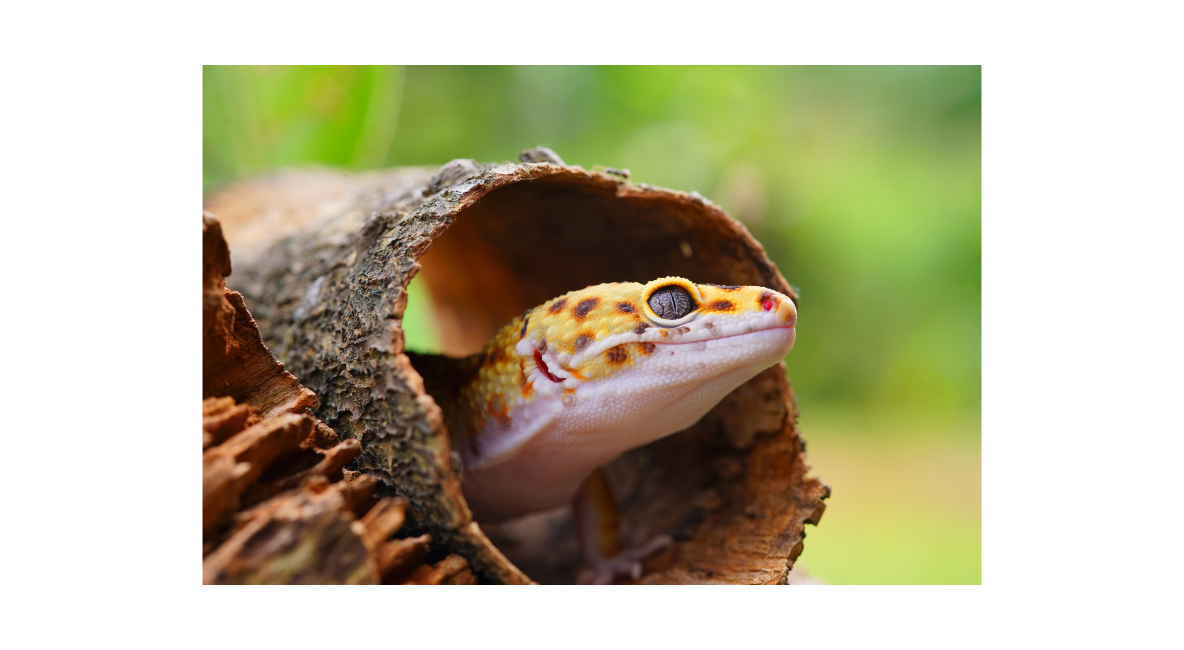
Leopard geckos are one of the most popular pet reptiles in the world—and for good reason. Their manageable size, calm temperament, incredible variety of colors and patterns, and relatively straightforward care requirements make them a favorite among both new and experienced reptile keepers.
Whether you're considering bringing home your first leopard gecko or looking to improve your current husbandry, understanding their natural behaviors and environmental needs is the key to long-term success. With proper care, leopard geckos can thrive for 20 years or more, making them a rewarding companion for decades.
Why Leopard Geckos Make Great Pets
Leopard geckos (Eublepharis macularius) originate from the arid regions of Afghanistan, Pakistan, India, and Iran. Unlike many other gecko species, they do not have adhesive toe pads and spend most of their lives on the ground rather than climbing walls and glass.
Their popularity stems from several qualities:
- Beginner-friendly care requirements
- Generally docile personalities
- Wide variety of beautiful morphs
- Small adult size
- Long lifespan
- Minimal odor
- Quiet and easy to maintain
- Fascinating feeding behaviors
While they are often recommended as a beginner reptile, leopard geckos still require proper husbandry to remain healthy and thrive.
Leopard Gecko Size and Lifespan
Adult leopard geckos typically reach:
| Age | Length |
|---|---|
| Hatchling | 3–4 inches |
| Juvenile | 5–8 inches |
| Adult | 7–10 inches |
Males are often slightly larger and bulkier than females.
With proper care, a leopard gecko can live:
- 15–20 years on average
- 20+ years is not uncommon
- Some individuals have exceeded 25 years
Before bringing one home, it's important to understand that a leopard gecko is a long-term commitment.
Choosing a Healthy Leopard Gecko
When selecting a leopard gecko, look for:
- Clear, bright eyes
- Alert behavior
- Smooth skin free of retained shed
- Straight limbs and toes
- Clean vent area
- Good body weight
- Thick, healthy tail
A leopard gecko's tail serves as its primary fat reserve. Healthy geckos should have a plump tail that appears proportionate to their body.
Whenever possible, purchase from reputable breeders who prioritize genetics, health, and ethical breeding practices.
The Ideal Leopard Gecko Enclosure
One of the biggest mistakes new keepers make is housing leopard geckos in enclosures that are too small.
Recommended Enclosure Sizes
| Gecko Age | Minimum Enclosure |
|---|---|
| Juvenile | 20 gallon long |
| Adult | 40 gallon breeder |
| Ideal Adult Setup | 36" x 18" x 18" or larger |
Many experienced keepers now prefer larger enclosures because they provide more opportunities for natural behaviors, enrichment, and temperature gradients.
Bigger is almost always better when it comes to reptile housing.
Creating the Perfect Temperature Gradient
Leopard geckos rely on external heat sources to regulate their body temperature.
Your enclosure should include:
Warm Side
- Ambient temperature: 85–90°F
- Basking area: 88–92°F
Cool Side
- Ambient temperature: 72–78°F
Night Temperatures
- Can safely drop into the upper 60s or low 70s
Providing a temperature gradient allows your gecko to move between warmer and cooler areas as needed.
Use a Thermostat
Every heat source should be connected to a quality thermostat.
This is one of the most important pieces of reptile equipment you can buy because it helps prevent overheating and burns.
Do Leopard Geckos Need UVB Lighting?
For years, leopard geckos were commonly kept without UVB lighting. However, modern reptile husbandry has shown that many leopard geckos benefit from properly provided UVB exposure.
Benefits may include:
- Natural vitamin D3 production
- Improved calcium metabolism
- Increased activity levels
- More natural behaviors
A low-level UVB fixture designed for crepuscular reptiles can be an excellent addition to a leopard gecko enclosure.
Albino and light-sensitive morphs may require lower UVB levels than darker morphs.
Leopard Gecko Humidity Requirements
Unlike tropical reptiles, leopard geckos come from dry environments.
Ideal Humidity Range
- 30–50%
Consistently high humidity can contribute to health issues, while humidity that is too low can create shedding problems.
The Importance of a Humid Hide
Every leopard gecko enclosure should include a humid hide.
A humid hide:
- Assists with shedding
- Helps prevent stuck shed
- Provides a secure retreat
- Supports hydration
Many keepers use damp sphagnum moss inside a hide box to maintain humidity.
Best Substrates for Leopard Geckos
Substrate choice is one of the most debated topics in reptile keeping.
Popular options include:
Slate Tile
Benefits:
- Easy to clean
- Natural appearance
- Excellent heat retention
Ceramic Tile
Benefits:
- Affordable
- Hygienic
- Durable
Bioactive Setups
Advanced keepers may choose naturalistic or bioactive enclosures that include:
- Soil blends
- Cleanup crews
- Live plants
- Natural décor
Substrates to Avoid
Loose substrates that can increase the risk of impaction should be carefully researched before use.
Always prioritize safety, cleanliness, and proper husbandry over aesthetics.
Essential Hides and Enrichment
Leopard geckos feel most secure when multiple hides are available.
Every enclosure should have:
Warm Hide
Located on the warm side.
Cool Hide
Located on the cool side.
Humid Hide
Used for shedding and hydration support.
Beyond hides, enrichment items may include:
- Rock formations
- Cork bark
- Branches
- Artificial plants
- Climbing structures
- Tunnels
A well-designed enclosure encourages natural exploration and activity.
What Do Leopard Geckos Eat?
Leopard geckos are insectivores.
Their diet consists primarily of insects.
Popular feeder insects include:
- Crickets
- Dubia roaches
- Mealworms
- Black soldier fly larvae
- Silkworms
- Hornworms
- Waxworms (occasional treat)
Offering a variety of feeders helps create a more balanced diet.
Leopard Gecko Feeding Schedule
Hatchlings
Feed daily.
Juveniles
Feed daily or every other day.
Adults
Feed every 2–3 days depending on age, activity level, and body condition.
Every leopard gecko is different, so feeding schedules should be adjusted as needed.
Gut Loading and Supplementation
The nutritional value of feeder insects matters.
Gut Loading
Feed insects nutritious foods before offering them to your gecko.
This process is called gut loading and helps improve the nutritional quality of feeders.
Calcium and Vitamins
Dust feeder insects with:
- Calcium supplement
- Vitamin supplement according to manufacturer recommendations
Proper supplementation plays a major role in preventing nutritional deficiencies and metabolic bone disease.
Water and Hydration
Fresh water should always be available.
Use a shallow water dish that:
- Is easy to access
- Is easy to clean
- Cannot be tipped over easily
Water should be replaced regularly to maintain cleanliness.
Shedding in Leopard Geckos
Healthy leopard geckos shed their skin throughout their lives.
Signs of an upcoming shed include:
- Dull coloration
- Pale or cloudy appearance
- Reduced appetite
Most leopard geckos consume their shed skin after shedding.
Pay close attention to:
- Toes
- Tail tip
- Around the eyes
Retained shed in these areas can cause serious problems if left untreated.
Leopard Gecko Behavior
Leopard geckos are generally calm and easy to handle once they become accustomed to their keeper.
Common behaviors include:
- Exploring at dawn and dusk
- Hunting insects
- Basking
- Digging
- Climbing low structures
- Tail wagging while hunting
Many leopard geckos develop distinct personalities and recognize regular feeding routines.
Common Leopard Gecko Health Problems
Proper husbandry helps prevent many health issues.
Potential concerns include:
Retained Shed
Often linked to inadequate humidity or a lack of a humid hide.
Metabolic Bone Disease
Typically associated with improper calcium, vitamin D3, or UVB management.
Weight Loss
May indicate parasites, illness, stress, or husbandry issues.
Impaction
Can occur when inappropriate substrates or foreign materials are ingested.
Respiratory Issues
May result from improper temperatures or excessively damp conditions.
If your gecko shows signs of illness, consult a qualified reptile veterinarian.
Popular Leopard Gecko Morphs
One reason leopard geckos remain so popular is the incredible variety of morphs available.
Popular morphs include:
- High Yellow
- Mack Snow
- Tremper Albino
- Bell Albino
- Blizzard
- Eclipse
- RAPTOR
- Jungle
- Murphy Patternless
- White & Yellow
- Super Giant
Today there are hundreds of unique combinations available, ranging from affordable beginner animals to highly sought-after breeder projects.
Beginner Mistakes to Avoid
New keepers often make the same avoidable mistakes.
Using an Enclosure That's Too Small
Adult geckos benefit greatly from larger enclosures.
Skipping Temperature Monitoring
Always use accurate thermometers and thermostats.
Feeding Only One Insect Type
Diet variety is important.
Not Providing a Humid Hide
A humid hide is essential for proper shedding.
Buying on Impulse
Research before bringing any reptile home.
Where to Find Leopard Geckos
If you're looking for a leopard gecko, one of the best places to meet reputable breeders and compare animals in person is at a reptile expo.
At a Show Me Reptile Show event, you'll find breeders, supplies, feeders, enclosures, and experienced keepers who can help answer questions before you bring home your new pet.
Meeting breeders face-to-face allows you to learn about genetics, feeding history, care requirements, and the individual animal you're considering.
Frequently Asked Questions
Are leopard geckos good pets for beginners?
Yes. Leopard geckos are widely considered one of the best beginner reptiles due to their manageable size, calm temperament, and straightforward care requirements.
How often should I feed my leopard gecko?
Hatchlings should be fed daily, juveniles daily or every other day, and adults every few days depending on body condition and age.
Do leopard geckos need UVB lighting?
While they can survive without it under certain conditions, many keepers now provide low-level UVB lighting to support more natural husbandry practices.
How long do leopard geckos live?
With proper care, leopard geckos commonly live 15–20 years and sometimes longer.
Can leopard geckos be handled?
Yes. Most leopard geckos become comfortable with gentle, consistent handling over time.
Final Thoughts
Leopard geckos have earned their reputation as one of the most rewarding pet reptiles available. Their fascinating behaviors, incredible variety of morphs, and relatively simple care requirements make them a fantastic choice for both first-time reptile owners and experienced keepers.
Success begins with understanding their needs. By providing proper heating, nutrition, humidity, enrichment, and routine care, you can help your leopard gecko live a healthy life for many years to come.
Whether you're searching for your first leopard gecko or adding another morph to your collection, taking the time to learn proper husbandry is the best investment you can make in your reptile's future.


