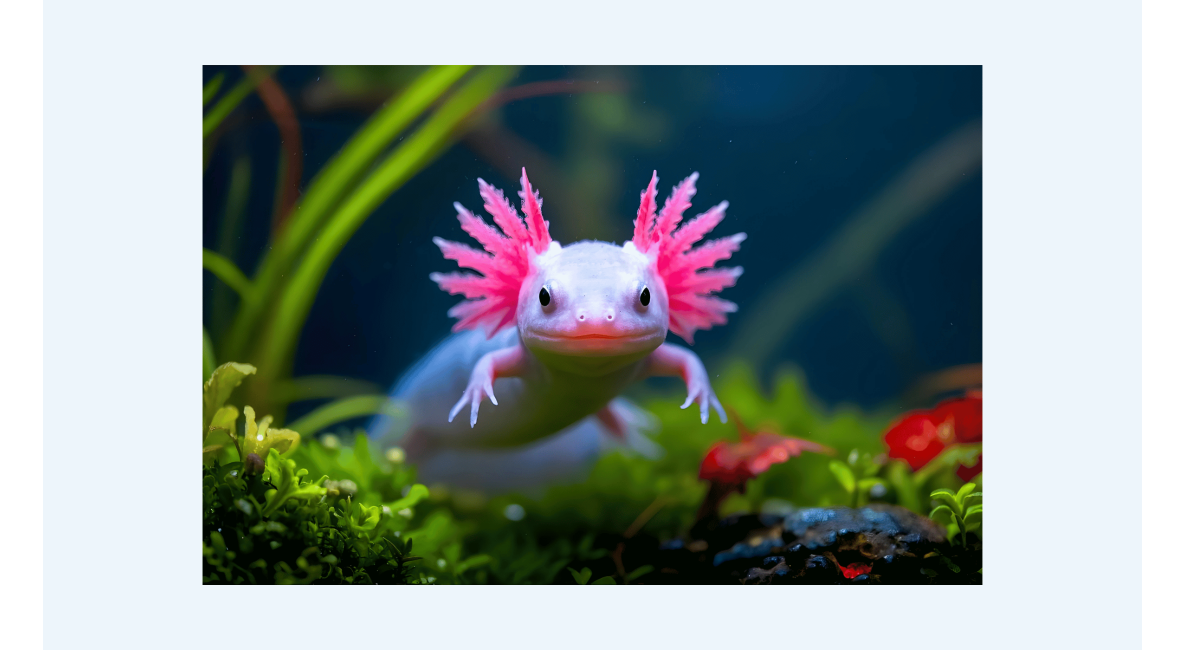
Axolotl is one of the most recognizable amphibians in the hobby, known for its permanently aquatic lifestyle, external gills, and remarkable ability to regenerate limbs and tissue.
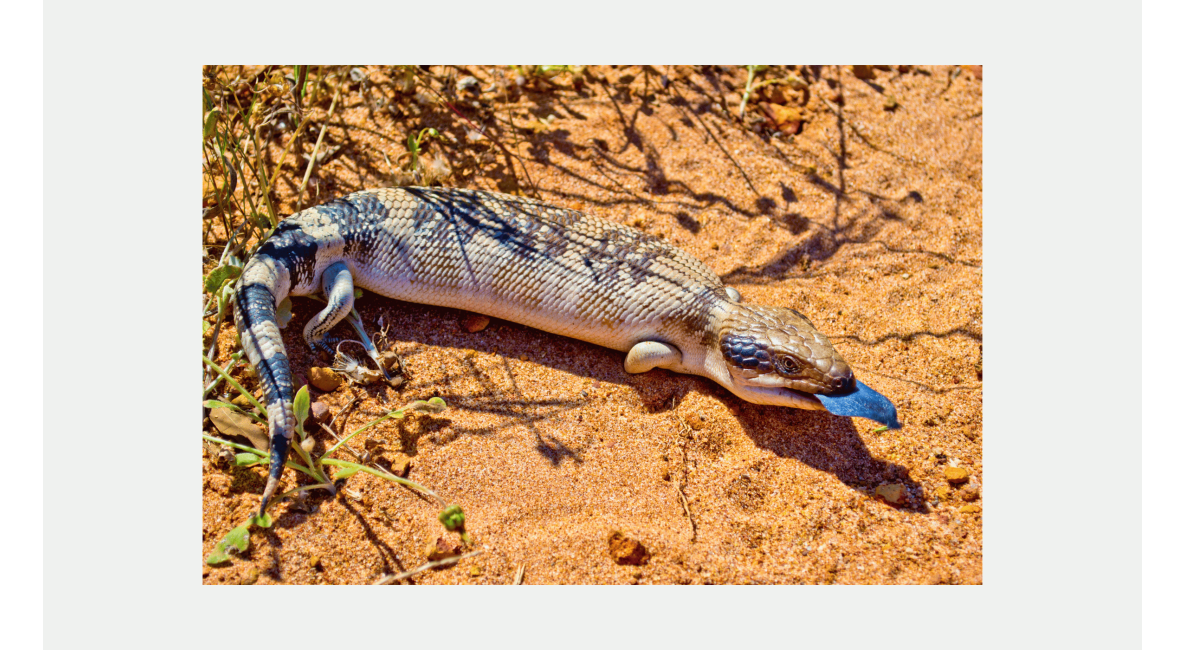
Blue-tongued skink is one of the most dependable and beginner-friendly lizards in the reptile hobby, valued for its calm temperament, strong feeding response, and straightforward care requirements.
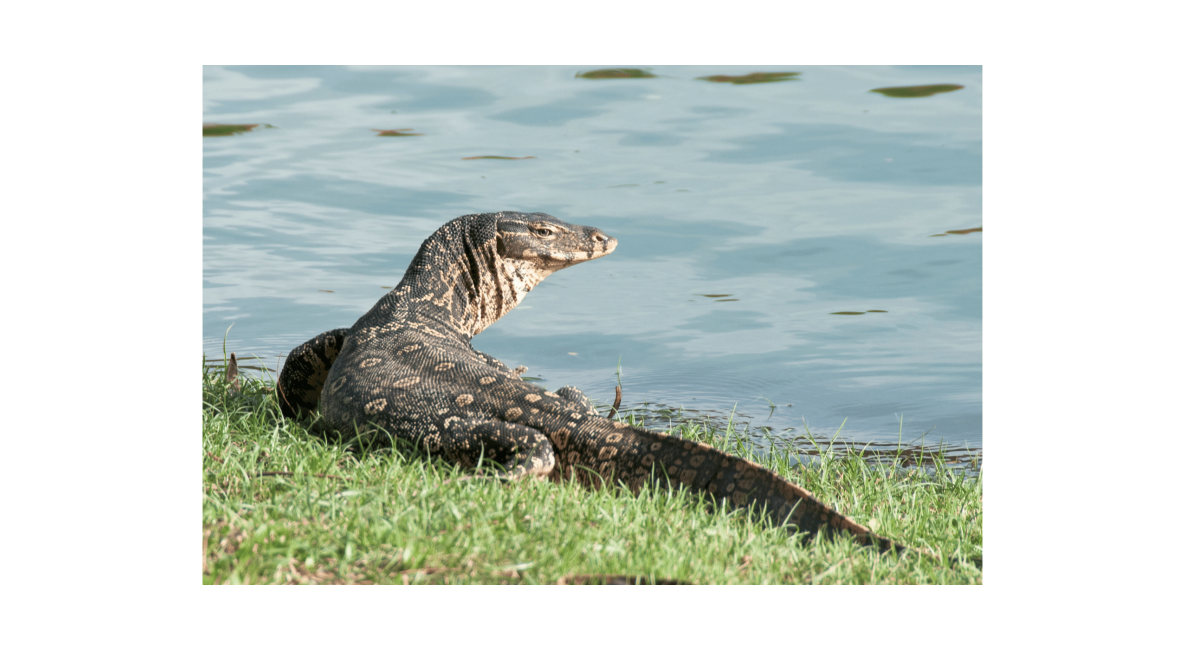
The Asian water monitor is one of the largest and most intelligent monitor lizards commonly encountered in the reptile hobby. Known for their rapid growth, strong feeding response, and highly inquisitive behavior, they are not a casual reptile choice.
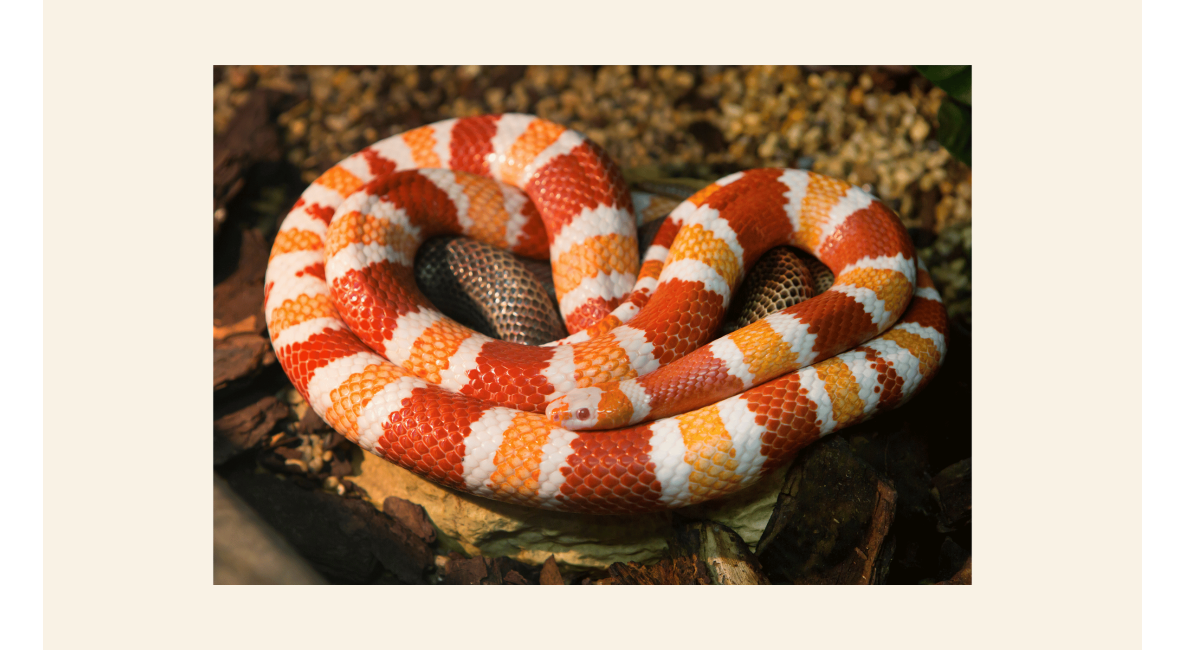
Milk snakes prove that some of the most rewarding reptiles in the hobby don't have to be the largest or the rarest. Their bold colors, active personalities, and adaptable nature have made them a favorite among keepers for decades, offering an ideal balance of visual appeal and straightforward husbandry.
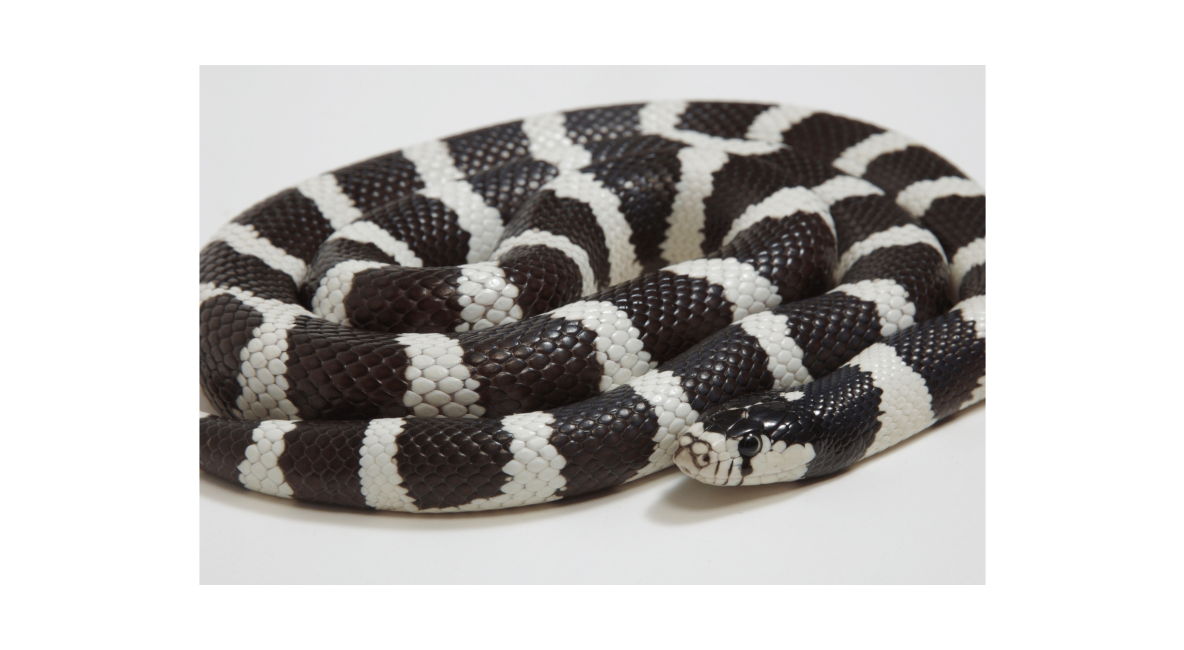
The Kingsnake is one of the most widely kept and respected groups of colubrid snakes in the reptile hobby. Known for their strong feeding response, adaptable nature, and wide range of patterns and species variations, kingsnakes are often considered one of the most dependable snakes for both new and experienced keepers—so long as their energy and temperament are understood and properly managed.
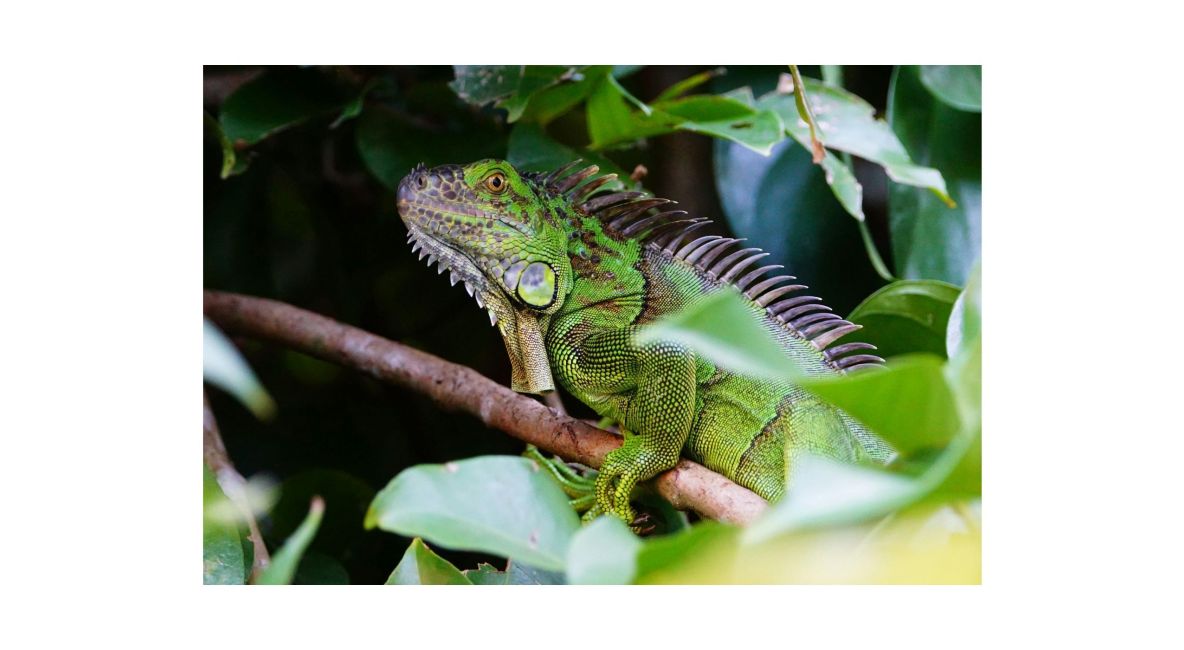
Few reptiles command attention quite like the green iguana. With their prehistoric appearance, impressive size, and vibrant shades of green, these remarkable lizards have fascinated reptile enthusiasts for decades. While they can grow into gentle, rewarding companions, green iguanas are far from a low-maintenance pet and require dedicated care, spacious housing, and a long-term commitment.
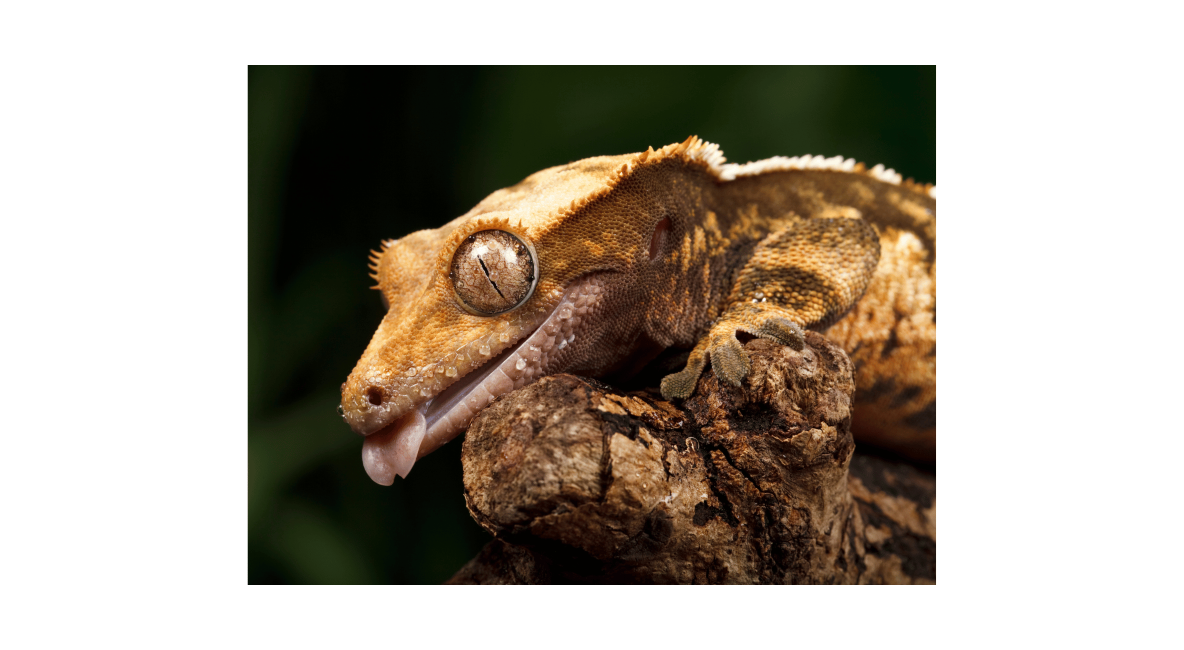
Crested geckos have become one of the most popular pet reptiles in the world, and it's easy to see why. Their unique appearance, calm temperament, manageable care requirements, and incredible variety of colors and patterns have made them a favorite among both beginner and experienced reptile keepers alike.
In the reptile community, one topic consistently sparks debate, keeping reptiles in small plastic tubs. These setups are often defended as industry standard, space efficient, or acceptable because the animal eats and sheds. However, an important distinction is often overlooked.