

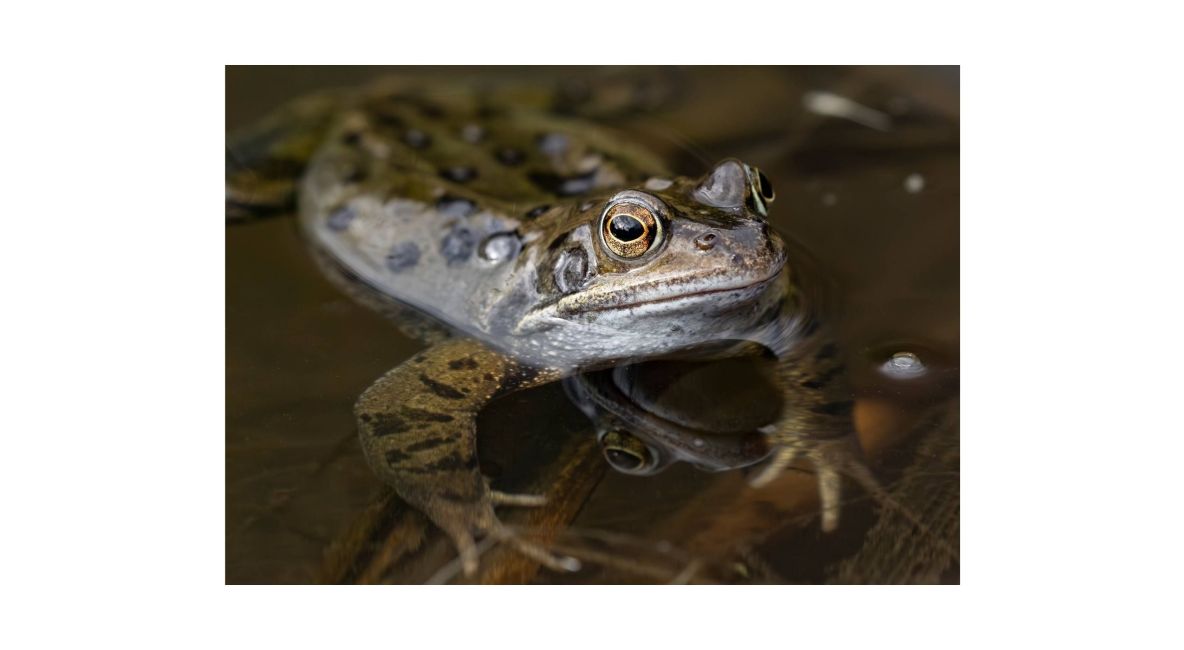
If you’ve ever stepped outside on a warm spring night and heard a chorus of croaks, chirps, and trills, you’re not alone.
That nighttime soundtrack isn’t random.
It’s one of nature’s most important seasonal events: frog breeding season.
Understanding why frogs are so loud in the spring and why they sing at night can help you appreciate one of the most fascinating (and often overlooked) wildlife behaviors happening right in your backyard.
Why Are Frogs So Loud at Night in Spring?
Spring signals the start of reproduction season for frogs and toads across North America.
As temperatures rise and rain increases, frogs gather near:
- Ponds
- Wetlands
- Ditches
- Temporary pools (called vernal pools)
And then the noise begins.
The Truth: They’re Calling for Mates
Most of the sounds you hear are male frogs doing one thing:
Trying to attract a female.
Each species has its own unique call, almost like a fingerprint. That’s how females know they’re choosing the right mate.
Why Do Frogs Call at Night Instead of During the Day?
There are a few key reasons frogs are most active after dark:
- Better Moisture Levels
Frogs need to stay moist to survive. Nighttime air is cooler and more humid, which helps prevent dehydration.
- Fewer Predators
Many daytime predators (like birds) are less active at night, making it safer for frogs to gather and call.
- Sound Travels Better
Cooler nighttime air allows frog calls to travel farther, helping males attract mates from greater distances.
What Happens After the Calling?
Once a female chooses a mate:
- Eggs are laid in water
- Eggs hatch into tadpoles
- Tadpoles grow into adult frogs over time
This entire process is essential for maintaining healthy ecosystems.
Common Frogs You Might Hear in Spring
Different frogs make different sounds, and once you learn them, you can actually identify species just by listening.
Some common springtime callers:
- Spring Peepers: High-pitched “peep” sounds
- American Toads: Long, musical trills
- Tree Frogs: Sharp, rhythmic chirps
- Bullfrogs: Deep, slow “jug-o-rum” calls
Each one adds to the nighttime chorus.
Why Frogs Matter More Than You Think
Frogs aren’t just noise. They’re critical to the environment:
- Pest control: Frogs eat huge amounts of insects
- Ecosystem balance: They are both predator and prey
- Environmental indicators: Healthy frog populations mean a healthy ecosystem
When frogs are active and thriving, it’s a good sign that nature is in balance.
Why You Might Hear Fewer Frogs Some Years
If the chorus seems quieter than usual, it could be due to:
- Habitat loss
- Pollution
- Drought conditions
- Climate changes affecting breeding cycles
Protecting wetlands and natural water sources is key to keeping these sounds alive.
Final Thought: That Noise Is Nature Working
Next time you hear frogs calling on a spring night, don’t tune it out.
That sound means:
- Life is returning after winter
- Ecosystems are functioning
- Nature is doing exactly what it’s supposed to do
It’s not just noise.
It’s one of the oldest and most important rhythms in the wild.


