
In the reptile community, one topic consistently sparks debate, keeping reptiles in small plastic tubs. These setups are often defended as industry standard, space efficient, or acceptable because the animal eats and sheds. However, an important distinction is often overlooked.
Just because an animal can live somewhere does not mean it is thriving there.
Plastic tubs have a place in reptile keeping, but that place should be temporary rather than permanent.
Why Plastic Tubs Are Commonly Used
Plastic tubs are widely used for several practical reasons, including:
-
Low cost compared to full enclosures
-
Easy cleaning and disinfection
-
Space efficiency for short-term housing
-
Practical use for quarantine and medical observation
-
Common use in breeding operations for limited durations
For hatchlings, rescues, or animals undergoing stabilization, tubs can be a useful tool. Problems arise when temporary housing becomes a long-term lifestyle.
Survival Does Not Equal Quality of Life
A reptile kept in a small plastic tub may still:
-
Eat regularly
-
Shed successfully
-
Reproduce
-
Appear outwardly healthy
These are baseline survival functions, not true indicators of well-being.
Reptiles housed long-term in minimal enclosures are often unable to:
-
Thermoregulate properly
-
Explore or express natural behaviors
-
Receive appropriate lighting and UVB exposure
-
Engage in climbing, burrowing, or hiding choices
-
Develop strong muscle tone and proper bone density
A living being may survive under minimal conditions, but survival alone does not define a healthy life.
Why Environmental Enrichment Is Essential
In the wild, reptiles spend their lives:
-
Navigating varied terrain
-
Seeking shelter and security
-
Basking and retreating as needed
-
Choosing humidity zones
-
Interacting constantly with their environment
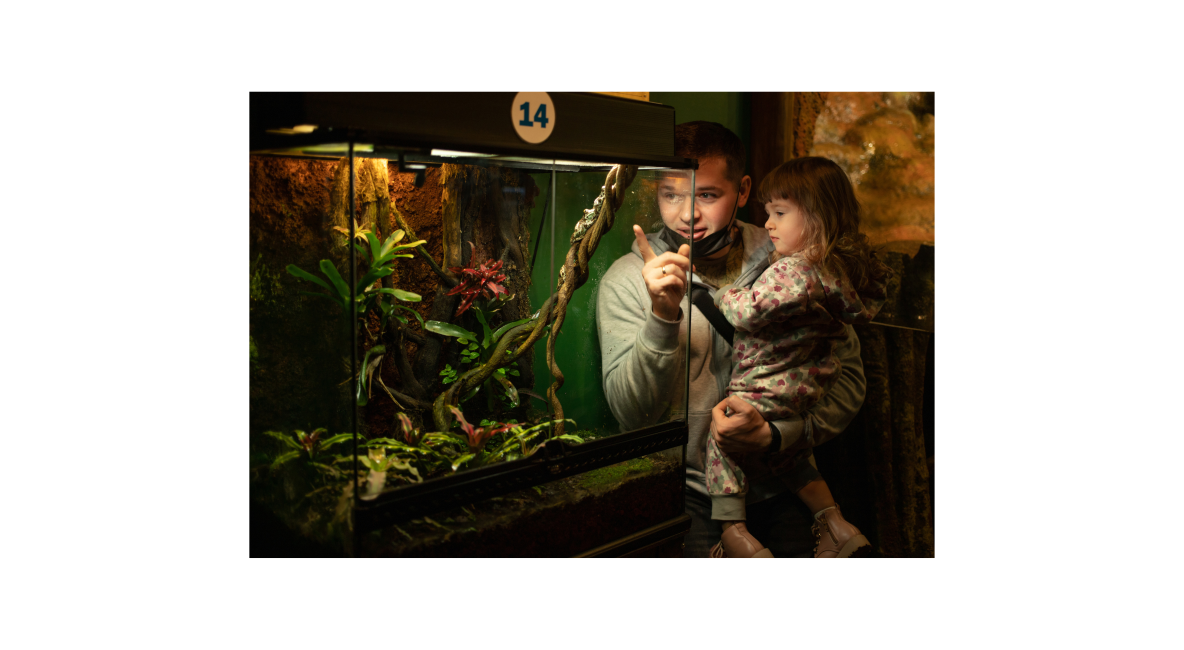
Small plastic tubs remove nearly all environmental choice. The animal does not decide where to be or how to behave. It simply remains where it was placed.
Thriving reptiles require:
-
Adequate space for movement
-
Temperature and humidity gradients
-
Visual complexity within the enclosure
-
Secure hiding areas and structural variety
-
Consistent lighting and day to night cycles
These elements are not luxuries. They are foundational to proper reptile care.
When Plastic Tubs Are Appropriate
Plastic tubs can be appropriate when used responsibly and temporarily, including:
-
Short-term quarantine periods
-
Medical recovery and observation
-
Newly hatched animals awaiting enclosure upgrades
-
Emergency housing situations
-
Transport or relocation
The key factor is duration. Tub housing should be a temporary solution with a clear plan for transition.
A responsible keeper views tub housing as a stepping stone rather than a destination.
Ethical Responsibilities of Reptile Keepers
Reptile keeping is about more than meeting minimum requirements. It is about stewardship.
When animals are kept in environments they cannot leave, keepers take on the responsibility to provide conditions that support:
-
Physical health
-
Mental stimulation
-
Natural behavior expression
-
Long-term well-being
If space, cost, or time does not allow for proper enclosure upgrades, it is not a failure. It is a signal to reduce numbers, slow expansion, or wait until better conditions are possible.
Reptile Welfare
The reptile hobby continues to evolve, and this progress is positive. Practices once considered acceptable are being reevaluated through improved research, better equipment, and a deeper understanding of animal welfare.
Plastic tubs may keep a reptile alive, but a thoughtfully designed enclosure allows it to thrive.
Thriving should always be the goal.
Responsible reptile keeping is not about asking whether an animal can live under certain conditions. It is about asking whether this is the best life we can provide.


