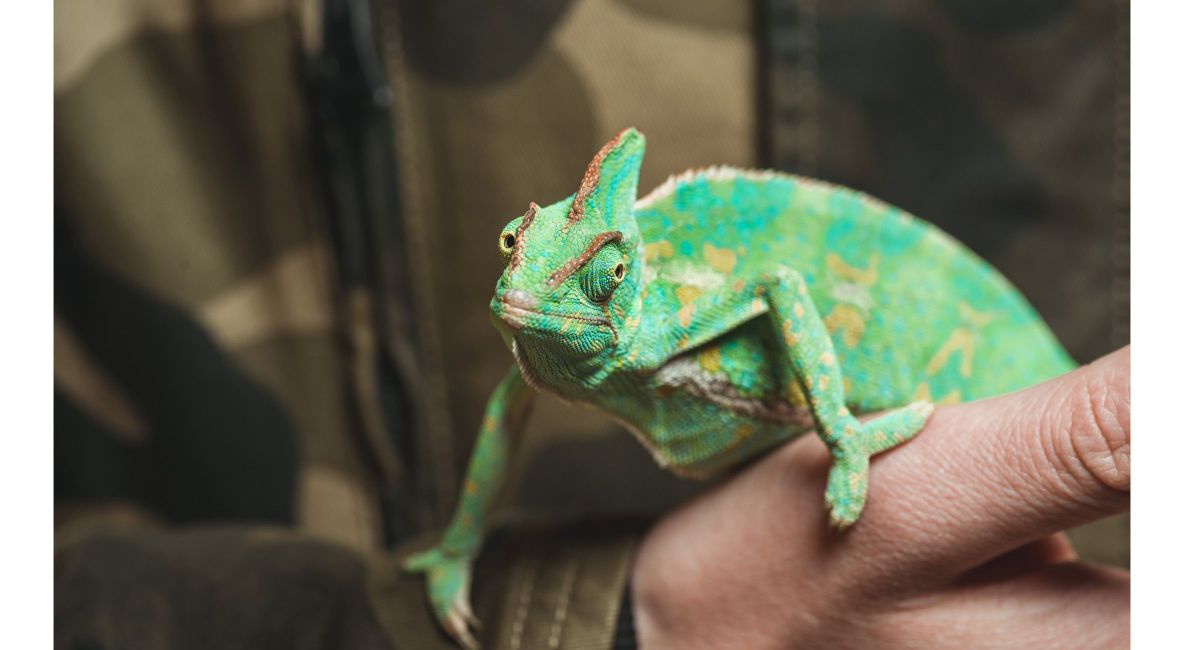
In captivity, veiled chameleons have become popular reptile pets due to their striking appearance and fascinating behaviors. Initially, they were often wild-caught, leading to stress and health issues. However, increased captive breeding efforts have made captive-bred veiled chameleons more available, reducing the impact on wild populations and ensuring healthier pets.
In captivity, ball pythons have become popular pets due to their docile nature, manageable size, and beautiful color variations. Historically, they were primarily from the wild, leading to stress and health issues. However, captive breeding programs have grown, reducing the demand for wild-caught individuals and ensuring healthier pets.
Bringing a reptile into your life as a pet can be a rewarding experience. However, it's crucial to ensure you are purchasing a healthy reptile to provide it with a happy life in your care. To do so, it's important to know how to identify signs of health in reptiles and how to conduct proper research before making a purchase.
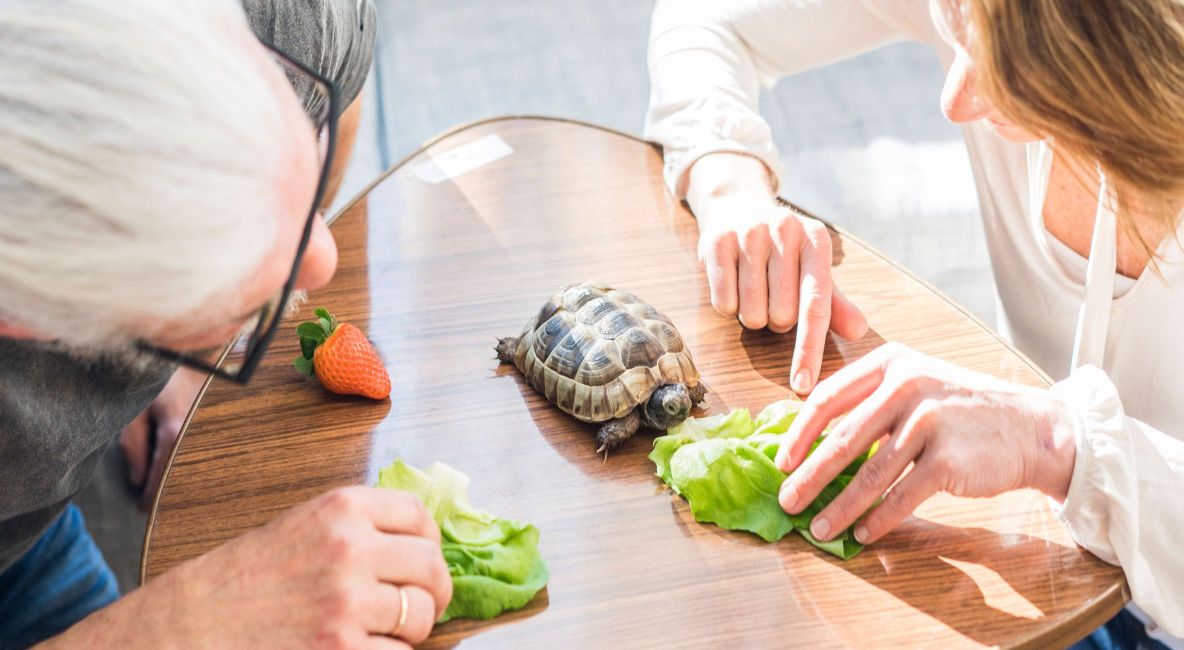
Maintaining a nutritious and varied diet for your scaly companions is a key aspect of responsible reptile care. In addition to essential protein sources such as insects and commercial diets, integrating safe and wholesome vegetables can significantly contribute to your pet reptile's overall health and well-being.
For snake enthusiasts, providing a diet that includes more than just rodents can not only replicate a snake's natural eating habits, but can also offer a multitude of benefits for their pet.
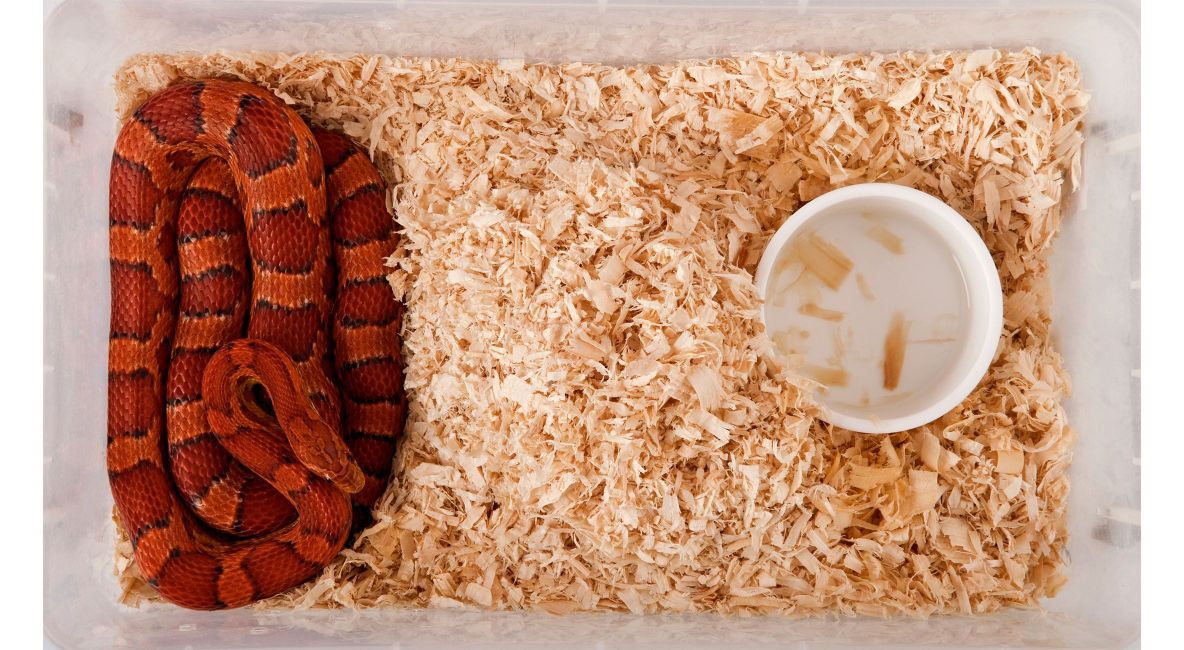
Feeding your pet snake is an essential part of responsible reptile care. When it comes to snake diets, one common question revolves around whether to feed live or frozen rodents. Each choices comes with its own set of advantages and disadvantages.