

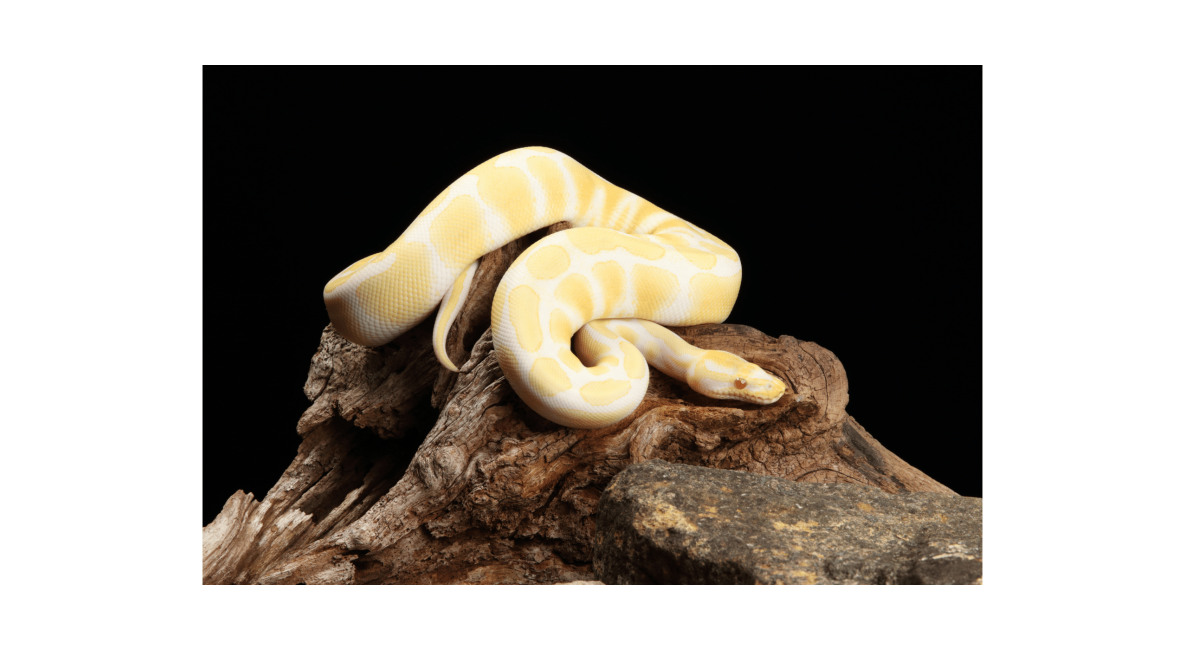
The ball python is one of the most iconic reptiles in the hobby, known for its calm demeanor, manageable size, and incredible variety of color and pattern morphs. While they’re often labeled as “easy beginner snakes,” ball pythons are better understood as low-energy, high-specificity animals—they do well when their environment is dialed in, but they won’t thrive in guesswork.
At Show Me Reptiles, they’re a cornerstone species for good reason: they’re steady, predictable, and incredibly rewarding once a keeper learns to read their behavior and fine-tune their setup.
Natural History & Temperament
Ball pythons originate from West and Central Africa, where they spend much of their time hidden in burrows, termite mounds, or tight underground spaces. Their natural instinct is to conserve energy and avoid confrontation, which is where their famous “balling up” defense behavior comes from.
In captivity, this translates into a snake that is typically shy but very docile. They are not fast explorers or constant hunters—they are security-driven animals that prioritize feeling safe over interacting with their environment.
Enclosure Setup
A successful ball python setup is all about security, heat, and stability.
Core requirements:
-
Juveniles: 20–40 gallon enclosure
-
Adults: 4x2x2 ft enclosure minimum (larger is often better if properly set up)
-
Warm side: 88–92°F
-
Cool side: 75–80°F
-
Basking spot: up to ~94°F
-
Humidity: 55–70% (higher during shedding cycles)
Hides are non-negotiable—at least two snug, dark hides on both warm and cool sides. Many ball pythons refuse to eat or become stressed if they don’t feel physically “wrapped” or enclosed.
Substrates like coconut husk, cypress mulch, or bioactive soil blends work well for maintaining humidity without becoming overly wet.
Feeding & Behavior Patterns
Ball pythons are strict carnivores that feed primarily on appropriately sized rodents in captivity.
Feeding schedule:
-
Juveniles: every 5–7 days
-
Subadults: every 7–10 days
-
Adults: every 10–14+ days
They are famously known for occasional fasting periods, especially during seasonal changes or breeding cycles. In most cases, short fasts are normal and not a sign of illness as long as the snake maintains body condition.
Overfeeding is a more common issue than underfeeding in captivity and can lead to obesity and long-term health problems.
Handling & Interaction
Ball pythons are often described as “easy to handle,” but their personality is more accurately calm and reserved. Many tolerate handling well, but they are not naturally curious or interactive in the way some colubrids are.
Success with handling comes from consistency and respect for their comfort level. Short sessions, minimal stress, and allowing the snake to move at its own pace build trust over time.
A well-settled ball python will often remain calm in-hand, rarely striking unless severely stressed or improperly supported.
Common Health Concerns
Most issues in ball pythons are directly tied to husbandry.
Common problems include:
-
Respiratory infections (often from poor humidity/ventilation balance)
-
Refusal to feed (stress, improper temps, or seasonal cycles)
-
Scale rot (damp, dirty substrate)
-
Obesity (overfeeding in adults)
The biggest key to long-term success is consistency—stable temperatures, correct humidity, and a secure enclosure reduce most health risks dramatically.
Final Insight: What Stability Really Means in Ball Python Keeping
Ball pythons are not flashy in behavior, but their appeal comes from their reliability and the quiet satisfaction of keeping an animal that responds so clearly to proper care. When their environment is correct, they settle into an almost meditative routine—resting, feeding predictably, and growing steadily over time.
For keepers at Show Me Reptiles, they remain one of the most dependable species in the hobby: not because they are effortless, but because they reward precision with long-term stability and trust.


