

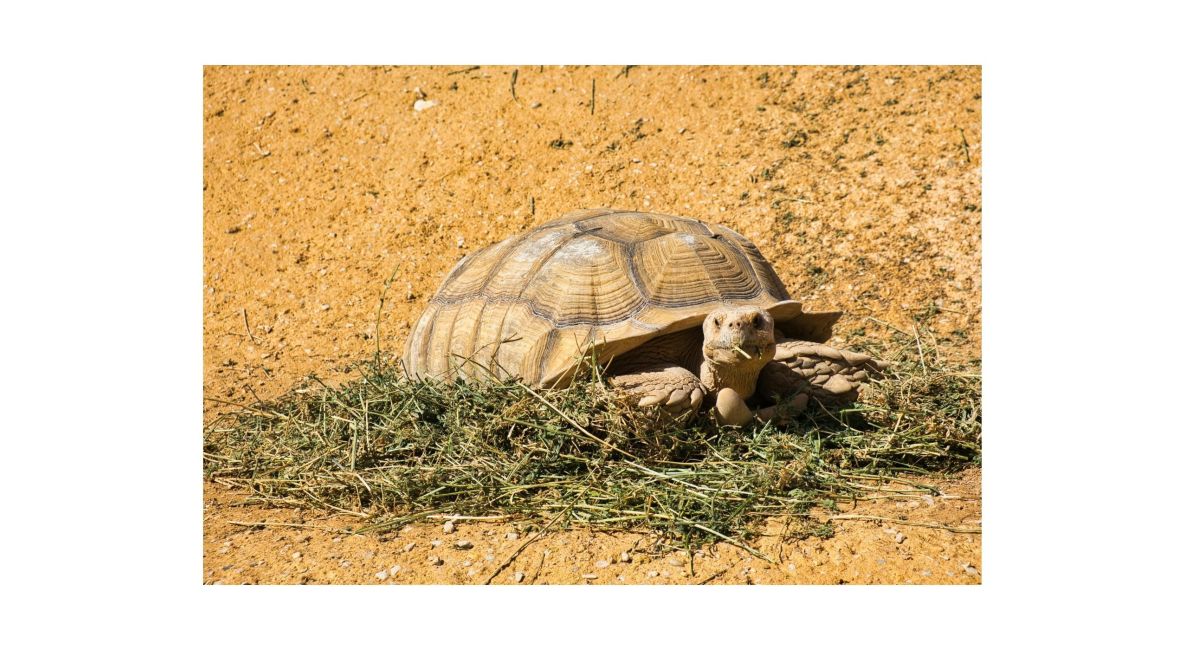
Some pets stay small enough to fit in the palm of your hand for life. A Sulcata tortoise is not one of them.
Known for their incredible size, impressive strength, and remarkably long lifespan, Sulcata tortoises (Centrochelys sulcata) are the third-largest tortoise species in the world and one of the most commonly kept tortoises in captivity. While adorable as hatchlings, these reptiles grow into powerful herbivores capable of weighing well over 100 pounds, making them a lifelong commitment that requires careful planning.
Native to the dry grasslands and savannas bordering the Sahara Desert in northern Africa, Sulcata tortoises have evolved to thrive in hot, arid environments with plenty of space to roam and dig. Understanding these natural behaviors is essential to providing proper care in captivity.
If you're considering adding one to your family, it's important to know that caring for a Sulcata tortoise is very different from caring for most reptiles. With the right habitat, diet, and long-term planning, these gentle giants can become incredible companions for decades.
Why Sulcata Tortoises Make Great Pets
Sulcata tortoises are known for their calm demeanor, hardy nature, and fascinating personalities. Many owners describe them as surprisingly interactive, often recognizing feeding routines and confidently approaching familiar people.
They've become one of the most popular pet tortoises because they offer several unique qualities:
-
Gentle temperament
-
Hardy when properly cared for
-
Active during the day
-
Strict herbivorous diet
-
Long lifespan
-
Fascinating digging behaviors
-
Impressive adult size
-
Distinct personalities
Their name comes from the large spurs located on the backs of their hind legs—a defining characteristic that gives them the common name "African Spurred Tortoise."
Unlike aquatic turtles, Sulcatas spend nearly all of their lives on land and are excellent burrowers, often digging extensive tunnels to escape the heat in their natural habitat.
Sulcata Tortoise Size and Lifespan
Sulcatas experience rapid growth during their early years.
| Age | Size |
|---|---|
| Hatchling | 2–3 inches |
| Juvenile | 6–12 inches |
| Adult | 24–36 inches |
Adult Sulcata tortoises commonly weigh between 70 and 150 pounds, though exceptionally large individuals may exceed 200 pounds.
With proper husbandry, many Sulcatas live:
-
50–70 years on average
-
80+ years in exceptional circumstances
Owning a Sulcata tortoise is truly a multigenerational commitment.
Choosing a Healthy Sulcata Tortoise
When selecting a Sulcata tortoise, look for an alert, active animal with smooth shell growth and bright eyes.
Healthy tortoises should have:
-
Clear, open eyes
-
Smooth shell without soft spots
-
Strong, sturdy legs
-
Clean nostrils
-
Healthy appetite
-
Firm body condition
Avoid tortoises showing nasal discharge, swollen eyes, wheezing, shell deformities, or signs of lethargy.
Captive-bred tortoises from reputable breeders are almost always the best choice.
The Ideal Sulcata Tortoise Enclosure
Sulcata tortoises quickly outgrow indoor enclosures.
Young tortoises can be housed indoors temporarily, but healthy adults require large outdoor habitats in suitable climates.
Recommended Enclosure Sizes
| Life Stage | Minimum Enclosure |
|---|---|
| Hatchling | 40-gallon breeder |
| Juvenile | 4' x 8' tortoise table |
| Adult | Large outdoor enclosure |
| Ideal Adult | Secure yard with shelter |
Outdoor enclosures should include:
-
Secure fencing buried underground
-
Shade structures
-
Grazing areas
-
Basking locations
-
Dry shelter
-
Fresh water
Remember that Sulcatas are extremely strong and excellent diggers.
Temperature and Lighting
Proper temperatures are critical for healthy growth and digestion.
Ideal Temperature Range
-
Basking area: 95–100°F
-
Ambient temperature: 80–90°F
-
Cool area: 75–80°F
-
Night: 70–75°F
Hatchlings and juveniles should never be kept too cool or too dry.
Do Sulcata Tortoises Need UVB?
Yes.
Strong UVB lighting is essential for indoor tortoises and supports proper calcium metabolism, shell development, and bone health.
Outdoor tortoises benefit from natural sunlight whenever possible.
Humidity Requirements
Despite coming from arid regions, young Sulcata tortoises benefit from moderate humidity.
Aim for:
-
Hatchlings: 60–80% humidity
-
Adults: 40–60% humidity
Providing humid hides for young tortoises promotes healthy shell growth and may help reduce pyramiding.
Decorating Your Sulcata Habitat
An ideal enclosure encourages natural behaviors while keeping your tortoise safe.
Include:
-
Large hides
-
Flat basking stones
-
Grazing grasses
-
Safe edible plants
-
Digging areas
-
Shallow soaking dish
Outdoor habitats should provide both sunny and shaded areas throughout the day.
Best Substrate Options
The right substrate supports natural digging behavior and proper humidity.
Recommended Options
-
Coconut coir
-
Organic topsoil
-
Cypress mulch
-
Soil and sand blends (for outdoor pens)
Avoid
-
Cedar
-
Pine
-
Gravel
-
Walnut shell
-
Artificial turf for long-term housing
Spot clean regularly and replace substrate as needed.
What Sulcata Tortoises Eat
Sulcata tortoises are strict herbivores whose diet should consist primarily of grasses and high-fiber plants.
Staple Foods
-
Timothy hay
-
Orchard grass
-
Bermuda grass
-
Collard greens
-
Dandelion greens
-
Endive
-
Escarole
Vegetables (Occasionally)
-
Squash
-
Bell peppers
-
Cactus pads (nopales)
Fruit should be offered rarely, if at all, as excessive sugar can disrupt their digestive system.
Feeding Schedule
Hatchlings
-
Fresh food daily
-
Unlimited access to grasses and hay
Juveniles
-
Fresh greens daily
-
Hay available at all times
Adults
-
Graze throughout the day
-
Supplemental greens as needed
Fresh water should always be available.
Calcium and Supplementation
Proper supplementation supports healthy shell development.
Recommended:
-
Calcium powder several times each week
-
Multivitamin every 1–2 weeks
-
Quality UVB lighting or natural sunlight
Handling and Temperament
Sulcata tortoises generally tolerate gentle handling, although frequent handling should be limited, especially for hatchlings.
Handling tips include:
-
Support the entire body
-
Keep handling sessions brief
-
Wash hands before and after
-
Avoid placing them on elevated surfaces
As adults, their sheer size makes handling less practical, so most interaction occurs within their enclosure or outdoor habitat.
Common Health Problems
Most health problems stem from improper husbandry.
Potential concerns include:
-
Metabolic bone disease
-
Pyramiding
-
Respiratory infections
-
Dehydration
-
Parasites
-
Shell injuries
Watch for:
-
Soft shell
-
Wheezing
-
Loss of appetite
-
Swollen eyes
-
Lethargy
-
Difficulty walking
Prompt veterinary care is recommended if any of these symptoms occur.
Beginner Mistakes to Avoid
Many first-time owners underestimate how quickly Sulcatas grow.
Avoid:
-
Buying one without planning for adult size
-
Feeding too much fruit
-
Poor UVB lighting
-
Keeping juveniles too dry
-
Small permanent enclosures
-
Insufficient grazing opportunities
-
Weak fencing
Thinking about the adult tortoise before purchasing a hatchling is one of the most important steps toward successful ownership.
Frequently Asked Questions
How big do Sulcata tortoises get?
Most adults reach 24–36 inches and commonly weigh over 100 pounds.
Can they live indoors?
Young Sulcatas can be housed indoors temporarily, but healthy adults require large outdoor enclosures in suitable climates.
Do Sulcata tortoises hibernate?
No. Sulcata tortoises do not hibernate.
Are Sulcata tortoises good for beginners?
While they're hardy animals, their adult size, longevity, and housing requirements make them better suited for owners prepared for a decades-long commitment.
Conclusion
A Sulcata tortoise isn't simply a pet you'll care for over the next few years—it's an animal that can become part of your family's story for generations. Their remarkable longevity, gentle disposition, and impressive presence make them unforgettable companions, but they also require thoughtful planning, appropriate space, and consistent care throughout every stage of life.
Before bringing home a hatchling, take time to consider the needs of the full-grown tortoise it will become. By preparing for its future from day one, you'll be well equipped to provide a healthy environment where your Sulcata can thrive for decades.
Explore Sulcata Tortoises at a Show Me Reptiles Expo
Seeing a Sulcata tortoise in person offers valuable perspective that photos simply can't capture. At a Show Me Reptiles expo, you can meet experienced breeders, compare hatchlings and adults, ask questions about long-term care, and discover the supplies needed to build a successful tortoise habitat.
Whether you're researching your first tortoise or expanding your collection, reptile expos are an excellent place to learn from knowledgeable keepers and connect with the reptile community.


