

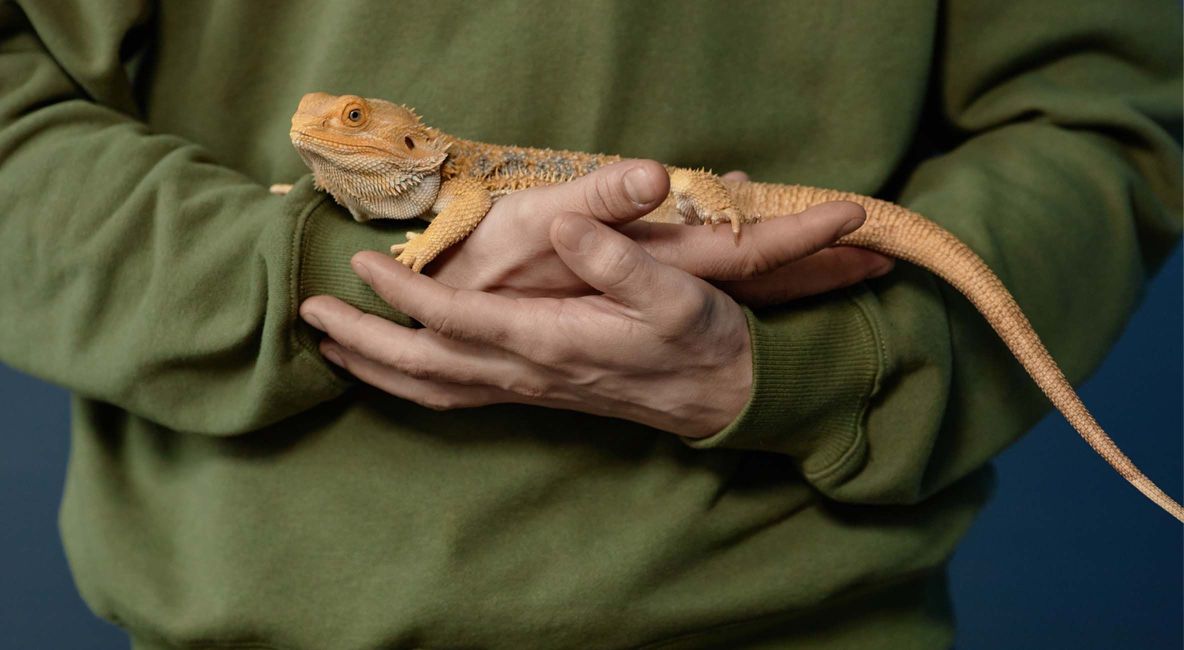
Maintaining proper hygiene when working with reptiles is crucial for the health and well-being of both the animals and their handlers. Reptiles such as snakes, lizards, and turtles, can carry bacteria like Salmonella that are harmless to them but can be extremely harmful to humnas. Proper hand washing, at a minimum, is a must. You do not want to handle any animal and then eat or touch your face without washing your hands.
Preventing the Spread of Disease
Reptiles are known to carry bacteria, such as Salmonella, on their skin and in their feces. Handling reptiles or their habitats without proper hygiene, such as not washing hands after touching them, can lead to the transmission of these harmful bacteria to humans. This can result in illnesses ranging from mild digestive upset to more severe infections, especially in young children, the elderly, or those with weakened immune systems.
Maintaining the Health of the Reptiles
Good hygiene practices not only protect humans, but also keeps the reptiles themselves healthy. Regularly cleaning and disinfecting their habitats, washing hands before and after handling them, and avoiding cross-contamination between different animals can reduce the risk of diseases spreading among reptiles.
Professional Reputation
For those working with reptiles professionally, such as in zoos, wildlife rehabilitation centers, or pet stores, maintaining good hygiene is essential for upholding a positive reputation. Demonstrating a commitment to cleanliness and animal welfare not only ensures the well-being of the reptiles in their care, but also fosters trust with visitors, customers, and colleagues.
Personal Safety
In addition to bacteria, some reptiles may carry other pathogens, parasites, or allergens that can pose risks to human health. By following good hygiene practices, such as wearing appropriate protective gear when needed, handlers can protect themselves from potential hazards while working with reptiles.
Good hygiene practices are a fundamental aspect of responsible reptile care. By implementing simple measures, such as regular handwashing, habitat cleaning, and disease prevention strategies; those working with reptiles can create a safer environment for both themselves and the animals. Prioritizing hygiene not only safeguards against disease transmission, but also promotes the overall health and longevity of these fascinating creatures.


