
Few reptiles command attention quite like the green iguana. With their prehistoric appearance, impressive size, and vibrant shades of green, these remarkable lizards have fascinated reptile enthusiasts for decades. While they can grow into gentle, rewarding companions, green iguanas are far from a low-maintenance pet and require dedicated care, spacious housing, and a long-term commitment.
Native to the tropical forests of Central and South America, green iguanas (Iguana iguana) spend much of their lives high in the trees, basking in the sun and feeding on leaves, flowers, and fruit. Their arboreal lifestyle and specialized dietary needs make proper husbandry essential for maintaining a healthy, thriving animal.
Whether you're considering your first green iguana or looking to improve your current setup, understanding their environmental, nutritional, and behavioral needs is the foundation of successful care. With proper husbandry, green iguanas can live 15 to 20 years or more, becoming an impressive and rewarding reptile companion.
Why Green Iguanas Make Great Pets
Green iguanas are intelligent reptiles capable of recognizing routines, becoming accustomed to regular handling, and displaying distinct personalities. While they require significantly more space and care than many beginner reptiles, experienced keepers often appreciate their inquisitive nature and striking appearance.
They offer many qualities that make them unique companions:
-
Beautiful emerald green coloration (especially when young)
-
Intelligent and curious personalities
-
Long lifespan
-
Active daytime behavior
-
Impressive adult size
-
Herbivorous diet
-
Excellent climbers and swimmers
-
Can become quite tame with consistent handling
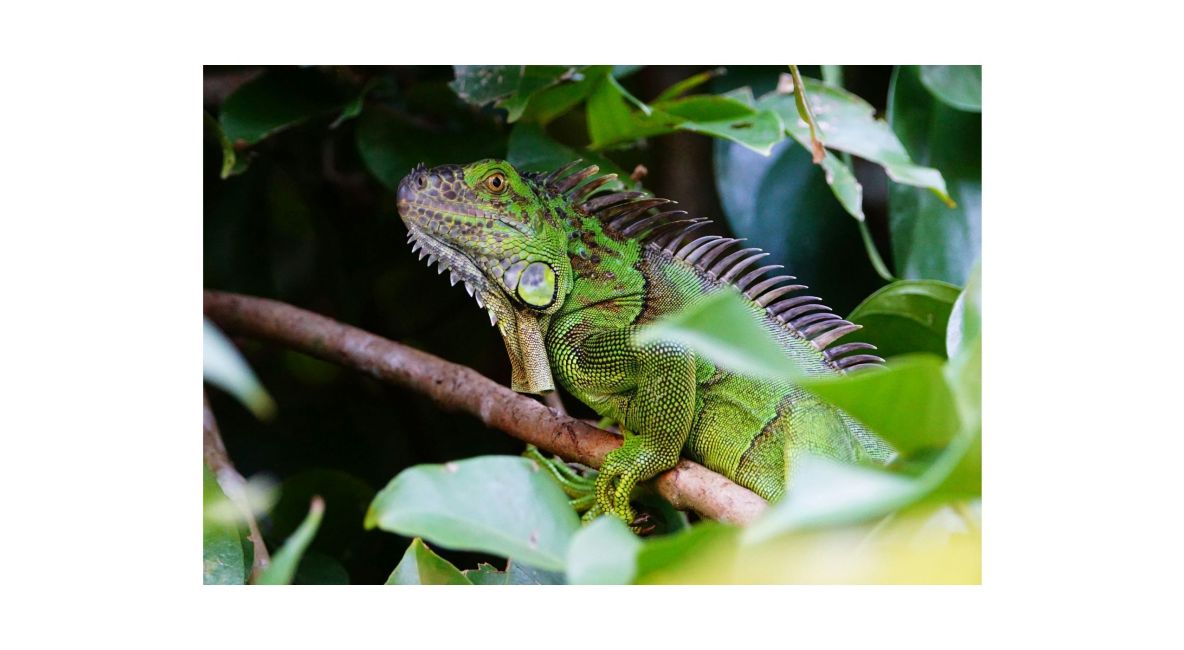
One of their most recognizable features is the large dewlap beneath the throat, which they extend to regulate body temperature, communicate with other iguanas, or appear larger when threatened. Combined with their long muscular tail, dorsal spines, and sharp claws, green iguanas have an unmistakably prehistoric appearance.
Unlike many reptiles, green iguanas are strong climbers and spend much of their time perched high above the ground in nature.
Green Iguana Size and Lifespan
Green iguanas are among the largest commonly kept pet lizards.
| Age | Size |
|---|---|
| Hatchling | 7–10 inches |
| Juvenile | 18–30 inches |
| Adult | 4–6+ feet |
Adult green iguanas typically weigh 8 to 18 pounds, although exceptionally large individuals may exceed this.
With proper care, many green iguanas live:
-
15–20 years on average
-
20+ years with exceptional husbandry
Prospective owners should understand that these reptiles grow rapidly and require increasingly large enclosures throughout their lives.
Choosing a Healthy Green Iguana
When purchasing a green iguana from a breeder, reptile expo, or specialty reptile store, choosing a healthy animal is essential.
Look for an iguana with:
-
Bright, alert eyes
-
Full body condition
-
Strong grip
-
Straight spine and tail
-
Clean vent
-
Smooth skin
-
Active and responsive behavior
Avoid animals that appear lethargic, extremely thin, have swollen limbs, retained shed, or visible injuries.
Whenever possible, purchase captive-bred animals from reputable breeders.
The Ideal Green Iguana Enclosure
Green iguanas quickly outgrow small enclosures.
Because they are arboreal, height is just as important as floor space.
Recommended Enclosure Sizes
| Life Stage | Minimum Enclosure |
|---|---|
| Hatchling | 20–40 gallon |
| Juvenile | 4' x 2' x 4' |
| Adult | 8' x 6' x 8' minimum |
| Ideal Adult | Custom walk-in room or enclosure |
Adult iguanas require extremely large habitats with sturdy climbing branches, elevated basking shelves, hides, and multiple climbing opportunities.
PVC or custom-built enclosures help retain heat and humidity more effectively than standard glass tanks.
Temperature and Lighting
Green iguanas rely on external heat to regulate their body temperature.
Ideal Temperature Range
-
Basking area: 95–100°F
-
Warm side: 85–90°F
-
Cool side: 75–80°F
-
Night: 70–75°F
Large basking platforms allow the iguana to fully warm its body.
Do Green Iguanas Need UVB?
Absolutely.
Strong, high-output UVB lighting is essential for calcium metabolism and preventing metabolic bone disease.
A quality linear UVB fixture should span much of the enclosure and be replaced according to the manufacturer's schedule.
Provide a consistent 12-hour day/night cycle.
Humidity Requirements
As tropical reptiles, green iguanas require moderate to high humidity.
Aim for 65–80% humidity.
Maintain humidity through:
-
Daily misting
-
Large water dishes
-
Live plants
-
Humid hides
-
Automatic misting systems (optional)
Proper humidity supports healthy skin, hydration, and successful shedding.
Decorating Your Green Iguana Habitat
A well-designed enclosure should encourage climbing and basking.
Include:
-
Thick climbing branches
-
Elevated shelves
-
Cork bark
-
Large hides
-
Live or artificial plants
-
Durable basking platforms
Provide enough open space for climbing while ensuring the enclosure remains secure and easy to clean.
Best Substrate Options
Substrate should be easy to maintain and safe.
Recommended Options
-
Cypress mulch
-
Coconut fiber
-
Organic soil (bioactive)
-
Newspaper
-
Paper towels (quarantine)
Avoid
-
Sand
-
Cedar
-
Pine
-
Walnut shell
-
Gravel
Many experienced keepers prefer bioactive enclosures or easy-to-clean substrates in large custom habitats.
What Green Iguanas Eat
Green iguanas are strict herbivores.
Unlike bearded dragons, they do not require insects or animal protein.
Staple Greens
-
Collard greens
-
Mustard greens
-
Turnip greens
-
Dandelion greens
-
Escarole
-
Endive
Vegetables
-
Squash
-
Green beans
-
Bell peppers
-
Butternut squash
-
Okra
Fruits (Occasional Treats)
-
Mango
-
Papaya
-
Blueberries
-
Strawberries
Avoid feeding iceberg lettuce, spinach in excess, avocado, onions, and animal protein.
Feeding Schedule
Juveniles
-
Fresh salad daily
-
Unlimited leafy greens
Adults
-
Large fresh salad daily
-
Variety of vegetables
-
Fruit occasionally
Fresh water should always be available.
Calcium and Supplementation
Supplementation is important even with a varied diet.
Recommended:
-
Calcium powder several times weekly
-
Multivitamin once weekly
-
Proper UVB exposure
A combination of proper lighting and supplementation helps prevent metabolic bone disease.
Handling and Temperament
Young iguanas can be nervous but often become calmer with regular, gentle interaction.
Handling tips include:
-
Move slowly
-
Support the body and tail
-
Avoid grabbing from above
-
Keep sessions short initially
-
Handle consistently
Remember that adult iguanas are powerful animals capable of scratching or whipping with their tails if frightened.
Common Health Problems
Proper husbandry prevents many common illnesses.
Potential concerns include:
-
Metabolic bone disease
-
Respiratory infections
-
Dehydration
-
Mouth rot
-
Burns from improper heating
-
Parasites
Warning signs include:
-
Weight loss
-
Lethargy
-
Swollen limbs
-
Poor appetite
-
Difficulty climbing
-
Wheezing
Seek care from an experienced reptile veterinarian if symptoms develop.
Beginner Mistakes to Avoid
Many first-time owners underestimate the care green iguanas require.
Avoid:
-
Purchasing an enclosure that's too small
-
Weak UVB lighting
-
Low temperatures
-
Feeding animal protein
-
Poor humidity
-
Inadequate climbing opportunities
-
Handling too aggressively
-
Underestimating their adult size
Planning for an adult iguana before bringing home a hatchling can save significant time, money, and stress later.
Frequently Asked Questions
Do green iguanas make good beginner reptiles?
Generally, no. Their large adult size and specialized care requirements make them better suited for experienced reptile keepers or dedicated beginners willing to invest the necessary time and resources.
Do green iguanas eat insects?
No. Green iguanas are strict herbivores and should not be fed insects or other animal protein.
Can green iguanas recognize their owners?
Many keepers report that green iguanas become familiar with their owners, routines, and feeding schedules over time.
How big do green iguanas get?
Most adults reach 4 to 6 feet in total length, with some individuals growing even larger.
Final Thoughts
Owning a green iguana is unlike keeping most other pet reptiles. Their intelligence, impressive size, and active nature create a rewarding experience for dedicated keepers, but they also demand significantly more space, time, and planning than many first-time owners expect.
When provided with a spacious enclosure, proper UVB lighting, a balanced herbivorous diet, and regular interaction, green iguanas can thrive for decades. Investing in the right husbandry from the beginning not only supports their long-term health but also helps build trust between you and your iguana, creating a fascinating companion that can become an incredible centerpiece of any reptile collection.
See Green Iguanas Up Close
Reading about green iguanas is only the beginning. Visiting a reptile expo gives you the opportunity to see these impressive lizards in person, compare enclosure setups, and speak directly with experienced breeders who can answer questions about care, temperament, and long-term husbandry.
Whether you're preparing for your first iguana or simply expanding your reptile knowledge, attending a Show Me Reptiles expo is a great way to connect with the reptile community and learn from people who work with these remarkable animals every day.


