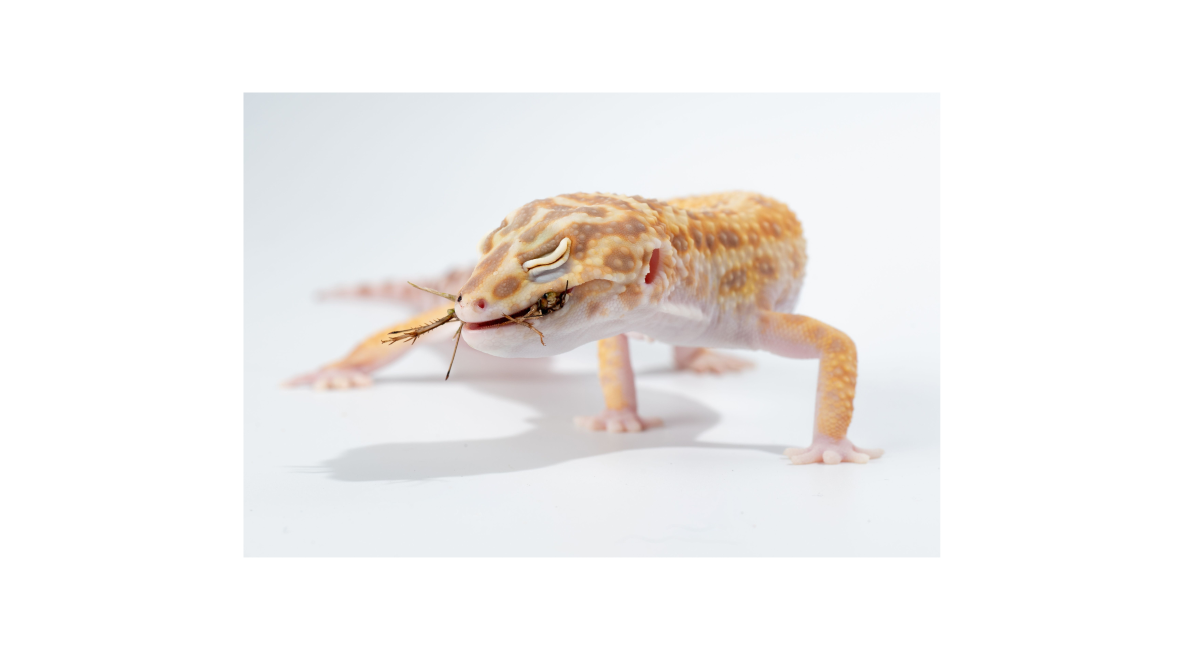
When it comes to reptile nutrition, most keepers focus on what their reptile eats, such as crickets, roaches, worms, rodents, and greens. However, one of the most impactful and often overlooked aspects of reptile care is what those feeders are fed before they ever reach your pet.
This practice, known as gut-loading, can be the difference between a reptile that simply survives and one that truly thrives.
Simply put:
Your reptile is only as healthy as the food you feed its food.
What Is Gut-Loading in Reptile Care?
Gut-loading is the process of feeding nutrient-rich foods to feeder insects or prey items before offering them to your reptile. When done correctly, it transforms feeders into living nutrient carriers that deliver essential vitamins and minerals directly to your animal.
Poorly fed feeders provide little nutritional value and function mostly as empty calories.
Why Feeding Feeder Insects Is So Important
In the wild, reptiles consume prey that has fed on diverse, nutrient-dense diets. In captivity, feeder insects are often mass-produced and shipped with minimal nutrition. Without proper care before feeding, this creates a nutritional gap that can lead to serious health issues, including:
-
Vitamin and mineral deficiencies
-
Poor growth and muscle development
-
Weak immune systems
-
Metabolic bone disease (MBD)
-
Low energy and lethargy
-
Reduced lifespan
Feeding feeders properly helps recreate a more natural food chain that supports long-term health rather than basic survival.
Common Feeder Insects and Their Nutritional Limitations
Many commonly used feeder insects are naturally nutritionally imbalanced without gut-loading:
-
Crickets: High in phosphorus and low in calcium
-
Mealworms and superworms: High in fat with low nutritional density
-
Dubia roaches: Better baseline nutrition but still benefit greatly from gut-loading
Without gut-loading, these feeders do not meet the dietary needs of most reptiles, especially growing juveniles, breeding animals, and species dependent on proper UVB exposure and calcium metabolism.
What to Feed Feeder Insects for Proper Gut-Loading
High-Quality Gut-Loading Foods
Nutritious gut-loading foods include:
-
Dark leafy greens such as collard greens, mustard greens, and dandelion greens
-
Squash, carrots, and sweet potato
-
Bee pollen
-
Alfalfa
-
Calcium-rich vegetables
-
High-quality commercial gut-load formulas
Foods to Avoid When Feeding Feeders
Avoid feeding feeder insects:
-
Dog or cat food due to excess protein and phosphorus
-
Bread or grain-based fillers
-
Sugary fruits in excess
-
Moldy or spoiled produce
Healthy feeders should be well-fed, well-hydrated, and active before being offered to your reptile.
Gut-Loading vs. Dusting: Why Both Are Necessary
Gut-loading and dusting serve different purposes and work best when used together.
Gut-loading delivers internal nutrition.
Dusting provides external supplementation.
Relying on dusting alone without gut-loading is similar to taking vitamins on an empty stomach. It helps, but it is not enough. Properly gut-loaded feeders retain nutrients longer and deliver them more effectively when consumed.
Show Me Reptile Shop’s Commitment to Healthy Feeder Insects
At Show Me Reptile Shop, we believe nutrition starts long before feeding day. That is why providing healthy, well-maintained feeders is a core part of our mission.
Our feeder care standards include:
-
Regularly nourishing feeders with quality diets
-
Prioritizing hydration and cleanliness
-
Monitoring feeder health daily
-
Educating keepers so proper care continues at home
We do not believe in selling just bugs. We believe in providing feeders that actively contribute to the health, growth, and longevity of the animals they are fed to.
Responsible reptile keeping does not stop at the enclosure. It extends to every link in the nutritional chain.
The Long-Term Benefits of Proper Gut-Loading
Keepers who prioritize feeder nutrition often notice:
-
Better sheds
-
Improved coloration
-
Stronger bone density
-
Higher activity levels
-
Improved breeding success
-
Fewer health-related veterinary visits
These improvements develop over time, but the difference is real and measurable.
Feeding the Feeders Is Responsible Reptile Keeping
Reptile care is not just about the animal. It is about the entire system supporting it.
When convenience is chosen over nutrition, reptiles pay the price. When keepers take the extra step to feed feeders properly, they provide a more complete, natural, and healthier life for their animals.
In the end, what you feed your reptile matters, but what you feed its food may matter even more.


