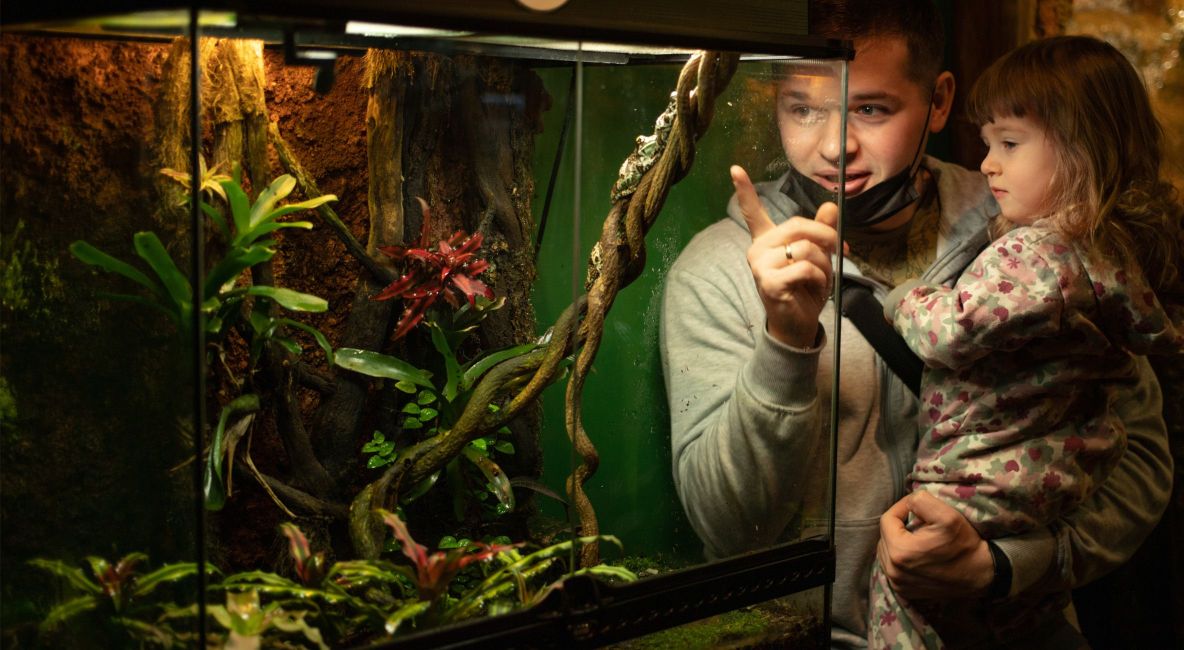
Reptiles are ectothermic creatures, meaning they rely heavily on external sources of heat and light to regulate their body temperature and perform vital physiological functions. In captivity, providing the appropriate lighting is crucial for their health and well-being, especially UVB lighting.
Why UVB Lighting Matters
Facilitates Vitamin D3 Synthesis
UVB rays enable reptiles to synthesize vitamin D3 in their skin, which is essential for calcium absorption. Without adequate UVB exposure, reptiles can develop metabolic bone disease, characterized by weak or deformed bones, lethargy, and even death.
Promotes Proper Calcium Metabolism
Calcium is vital for many biological processes, including muscle function and nerve transmission. UVB light ensures that calcium is properly metabolized, preventing deficiencies that can lead to serious health issues.
Supports Natural Behavior and Activity
UVB lighting enables reptiles to engage in natural behaviors such as basking, which helps regulate their body temperature and overall activity levels. Proper lighting conditions contribute to psychological well-being and dietary health.
Choosing the Right UVB Light
When selecting UVB lighting for your reptile enclosure, consider the following:
UVB Output Level
Different species require various levels of UVB. For example, desert reptiles typically need higher UVB levels than forest-dwelling species.
Type of Bulb
Options include fluorescent tubes, mercury vapor bulbs, and compact fluorescent bulbs. Mercury vapor bulbs often provide the highest UVB output suitable for many reptiles.
Duration
Reptiles generally need about 10-12 hours of UVB exposure daily, mimicking natural sunlight cycles.
Placement and Maintenance
Proper placement of UVB lights is essential—either above the basking spot or directly over the area where the reptile spends considerable time. The UVB output diminishes with distance, so ensure the light is close enough to be effective but not so close as to cause overheating or harm.
Regular replacement of UVB bulbs, typically every 6-12 months, is necessary because their effectiveness decreases over time even if the light still appears functional.
In captivity, UVB lighting is not just an optional accessory but a vital component of a reptile's habitat. It helps maintain healthy calcium metabolism, supports natural behaviors, and promotes overall health. Proper selection, placement, and maintenance of UVB lighting can significantly enhance the quality of life for your reptilian companion.


