

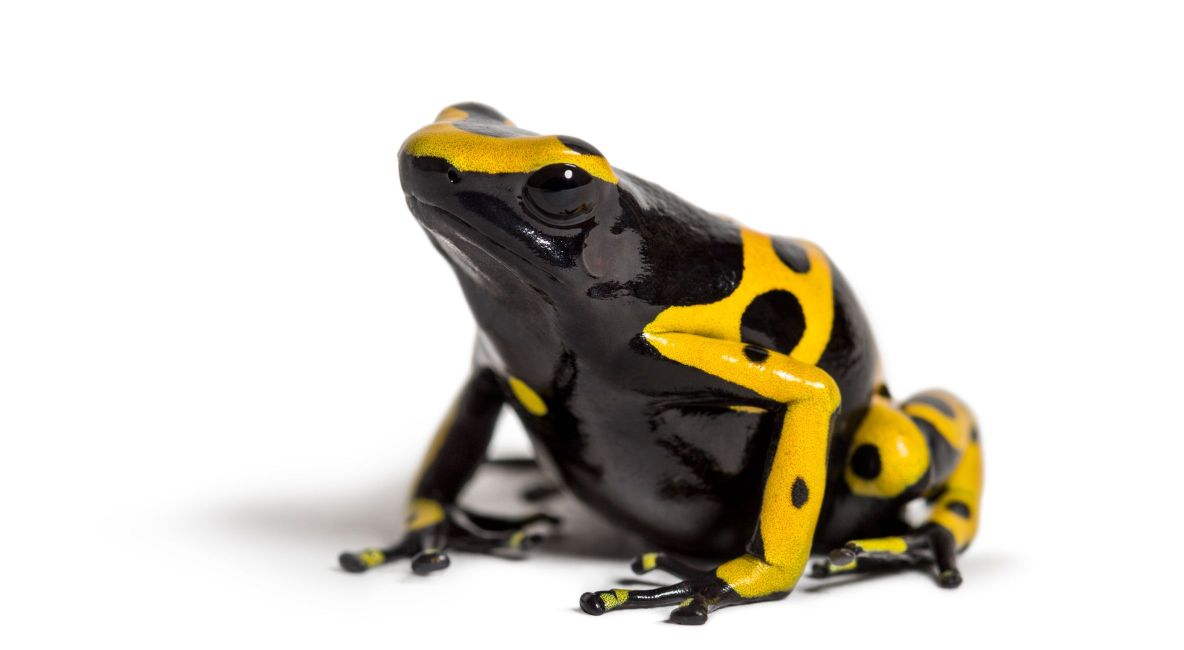
Dart frogs, known for their vibrant colors and tiny size, are some of the most captivating creatures found in tropical rainforests. Belonging to the family Dendrobatidae, these amphibians are not just a feast for the eyes; they are also rich in ecological and biological intrigue.
A Splash of Color
Dart frogs come in an array of bold colors – from brilliant blues and yellows to fiery reds and oranges. These striking hues serve as warning signals to potential predators, indicating that they are toxic. The bright coloration is a crucial survival mechanism, as it deters many animals from attempting to eat them. The specific shade and pattern often vary between species, making them one of the most diverse groups of amphibians.
Habitat and Range
Dart frogs primarily inhabit the rainforests of Central and South America, with most species found in areas like the Amazon Basin. They thrive in humid environments, often near streams or ponds. Their small size, typically ranging from 0.5 to 2.5 inches in length, allows them to navigate the dense foliage of their habitat and helps them avoid larger predators.
Unique Breeding Behaviors
Dart frogs are unique in their reproductive practices. Many species exhibit a fascinating form of parental care. After mating, the female lays eggs on the forest floor or on leaves above water. Once the eggs hatch, the male often transports the tadpoles to suitable water sources, such as small pools or bromeliads, where the young frogs can develop safely. This remarkable behavior demonstrates a strong commitment to the survival of their offspring.
Toxicity and Medicine
While the vibrant colors of dart frogs signal toxicity, not all dart frogs are poisonous. The infamous poison dart frog, known for its lethal skin secretions, derives its toxins from the diet of insects and other small organisms rich in alkaloids. Indigenous people have historically used the toxins derived from these frogs to poison the tips of their blow darts for hunting, hence the name "dart frog." Interestingly, when kept in captivity and fed a different diet, these frogs can become non-toxic, showing the incredible influence of their environment on their biology.
Fun Facts About Dart Frogs
- There are over 170 species of dart frogs, each with distinct colors, patterns, and behaviors.
- Male dart frogs are known for their unique calls, which help attract females and establish territory. Each species has a distinct call that can be used to identify them.
- Dart frogs have permeable skin that plays a vital role in respiration and moisture absorption. However, this also makes them highly susceptible to environmental pollutants, highlighting the importance of habitat preservation.
- Although known for their stunning colors, some species can change their color slightly in response to environmental conditions or stress, providing an extra layer of camouflage.
- Dart frogs typically live five to ten years in the wild, but when kept in captivity with appropriate care, they can live much longer – often up to 15 years.
Dart frogs are more than just colorful inhabitants of the rainforest; they are fascinating creatures that play a significant role in their ecosystems. From their unique reproductive behaviors and varying toxicity levels to their captivating colors, these amphibians are a testament to the amazing diversity of life on Earth. As we learn more about them, we are reminded of the importance of preserving their natural habitats and the intricate balance of nature they represent. Whether you’re an avid herpetologist or simply someone who appreciates the beauty of the natural world, dart frogs are sure to captivate your imagination!


