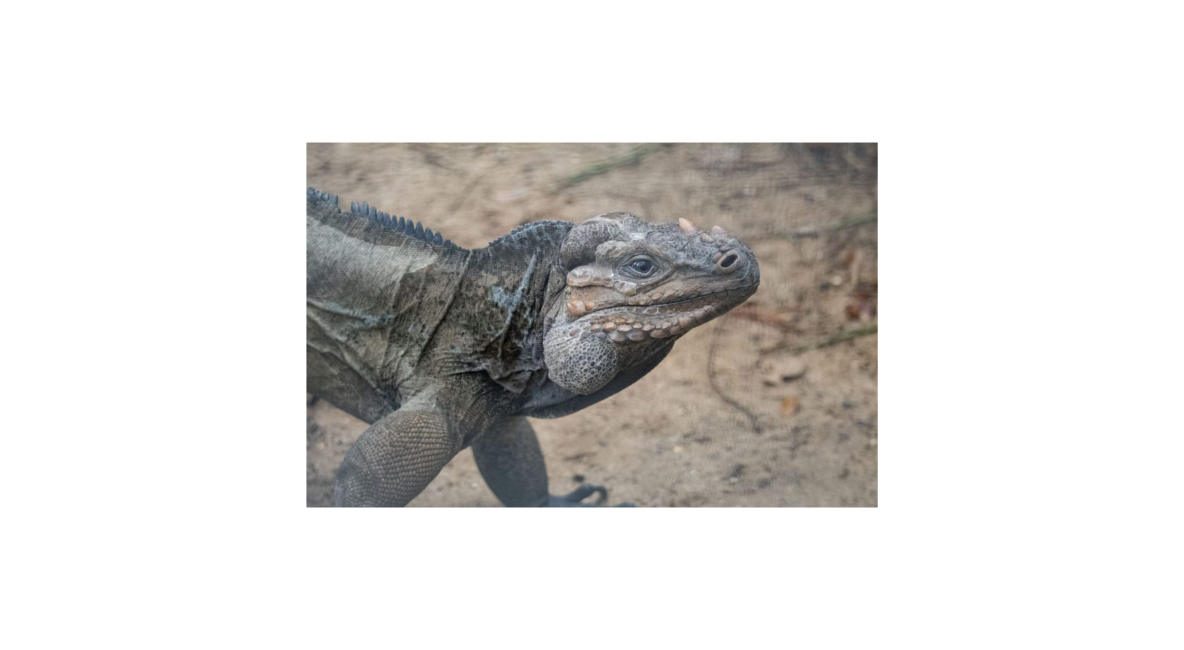
Image courtsey of Brevard Zoo.
At Show Me Reptiles, we believe every species deserves to be understood and not just admired. This month’s featured reptile, the Rhino Iguana, is a powerful reminder of why education, proper husbandry, and respect for natural behavior matter so much in reptile keeping.
With their prehistoric appearance and calm confidence, rhino iguanas are unforgettable animals. They are also a serious, long-term responsibility that should only be taken on with proper preparation.
Natural Habitat & Range
Rhino iguanas are native to Hispaniola, the island shared by the Dominican Republic and Haiti. In the wild, they inhabit dry forests, rocky coastal regions, and semi-arid scrublands where intense sunlight and rugged terrain shape their daily routines.
Understanding where an animal comes from is the foundation of responsible captive care.
Natural Behavior
Rhino iguanas are diurnal, sun-driven reptiles that rely on basking to regulate their body temperature. They are territorial, highly aware of their surroundings, and communicate using body language such as head bobbing and posture. Digging and burrowing play a major role in their daily lives, offering security and temperature control.
Fun Facts About Rhino Iguanas
Those “horns” aren’t horns at all. The rhino iguana’s signature look comes from enlarged scales on its snout used for display and defense.
They’re built like tanks. Adult rhino iguanas can weigh over 15 pounds and use their muscular tails as both balance tools and defense.
They’re surprisingly intelligent. Many rhino iguanas recognize their keepers, learn routines, and respond to consistent interaction.
They are excellent diggers. In the wild, burrows can be several feet long and are often reused year after year.
With proper care, rhino iguanas can live 30–40+ years in captivity.
Keeping Rhino Iguanas in Captivity
Rhino iguanas require large, permanent enclosures and should never be viewed as a temporary or “grow-into” reptile. Adults thrive in custom-built enclosures or dedicated reptile rooms, with outdoor enclosures being ideal in appropriate climates.
Strong heat, intense UVB lighting, and space to move are essential—not optional.
Environment & Substrate
Captive environments should support natural behavior. Substrates that allow digging, large basking rocks, secure hides, and visual barriers help reduce stress and promote confidence. A well-designed enclosure allows the iguana to make choices throughout the day, just as it would in the wild.
Diet & Nutrition
Rhino iguanas are primarily herbivorous. A diet built around dark leafy greens, vegetables, proper calcium supplementation, and consistent UVB exposure supports bone health, digestion, and longevity. High-protein diets should be avoided, as they can lead to serious health problems.
Temperament & Handling
When cared for properly, rhino iguanas are often calm and confident. Handling should always be respectful and intentional. These animals are best suited for experienced keepers who understand large reptile behavior and body language.
Conservation & Responsibility
Rhino iguanas are considered endangered in the wild due to habitat loss and invasive predators. Ethical captive breeding and responsible ownership play an important role in conservation awareness, but only when paired with proper education and care standards.
Final Thoughts from Show Me Reptiles
Reptile of the Month isn’t just about showcasing impressive animals. We’re raising the standard of care across our community.
The rhino iguana is an incredible species that thrives when its natural behaviors and environment are respected. When we take the time to understand reptiles on their terms, we don’t just keep them—we steward them.


