

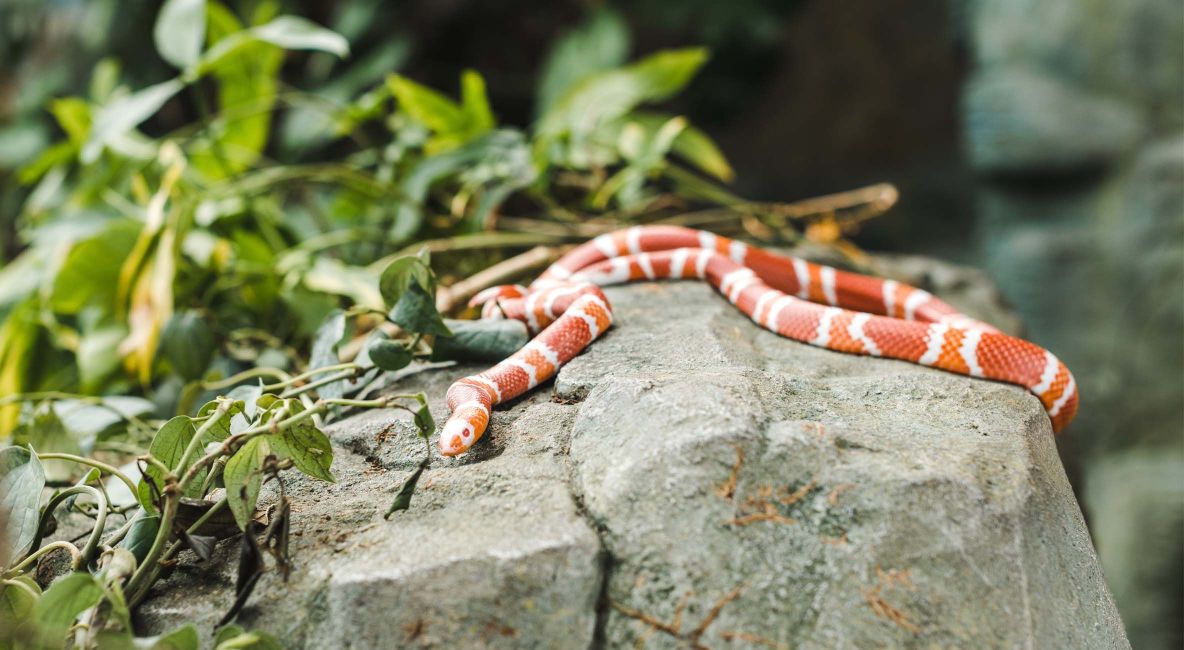
Milk snakes are a captivating species of nonvenomous snake found primarily in North and South America. Known for their vibrant colors and smooth scales, milk snakes have intrigued both seasoned herpetologists and novice reptile enthusiasts alike. This article explores the fascinating life of milk snakes in their natural habitats and sheds light on what it takes to care for them in captivity.
In the Wild
In the wild, milk snakes can be found in a variety of habitats, including forests, grasslands, and rocky areas. They are skilled predators, feeding on small mammals, birds, eggs, and even other reptiles. Their striking red, black, and white banding serves as a form of camouflage, helping them blend in with their surroundings and evade potential predators.
Milk snakes are most active at dusk and dawn, relying on their keen sense of smell and excellent eyesight to hunt for prey. They are constrictors, meaning they squeeze their prey to subdue it before swallowing it whole. Despite their name, milk snakes don't milk cows; rather, their name likely stems from an old myth that they would sneak into barns to drink milk from cows.
In Captivity
Due to their appealing appearance and generally docile nature, milk snakes are popular choices for reptile enthusiasts looking to keep them as pets. When keeping a milk snake in captivity, it's crucial to provide them with a suitable environment that mimics their natural habitat. This includes a secure enclosure with proper heating, lighting, humidity, and hiding spots.
Milk snakes are relatively easy to care for compared to some other snake species, but they still require a commitment to their well-being. They thrive on a diet of appropriately sized rodents and should be handled with care to prevent stress or injury. Regular health check-ups with a qualified reptile veterinarian are also essential to ensure your milk snake remains healthy and happy.
Overall, milk snakes are a fascinating species that offer a unique glimpse into the world of snakes both in the wild and in captivity. Whether you encounter them slithering through the underbrush of a forest or coiled comfortably in a terrarium in your home, these beautiful creatures are sure to leave a lasting impression on anyone lucky enough to encounter them.


