

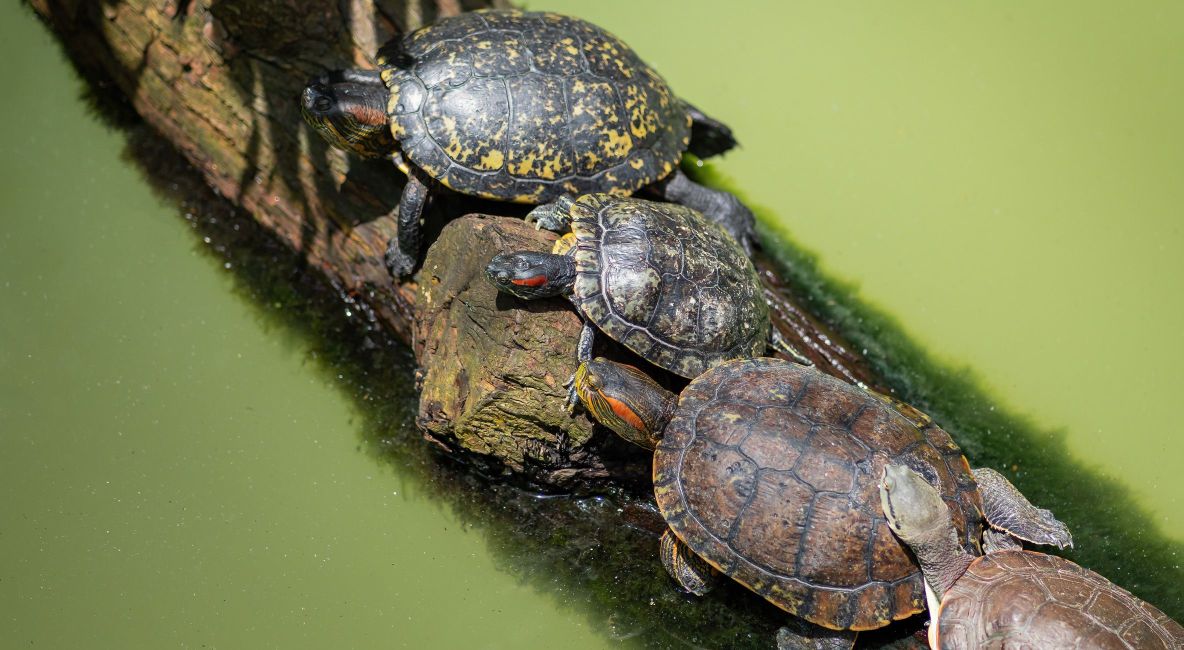
Aquatic turtles can make fascinating and rewarding pets, providing both companionship and a unique glimpse into the underwater world. However, they require specific care to thrive.
Choosing the Right Species
Different species of aquatic turtles have varying needs, sizes, and life spans. Some popular aquatic turtle species include:
Red-Eared Slider: Known for their distinctive red markings and adaptability, they can grow up to 12 inches in length.
Painted Turtle: These turtles are often smaller, with vibrant colors and patterns.
Map Turtles: Known for their unique shell patterns, they are relatively small and can be easy to care for.
When selecting a turtle, consider factors such as size, lifespan, and temperament to find a species that best fits your lifestyle.
Creating an Appropriate Habitat
A well-designed environment is crucial for the health and happiness of your aquatic turtle. Here are some key components:
Tank Size
A minimum of a 40-gallon tank is ideal for most adult aquatic turtles. Larger species will require even more space. Ensure that the tank allows enough room for swimming and basking.
Water Quality
Clean, filtered water is essential. Invest in a high-quality aquarium filter designed for the size of your tank. Regular water changes (at least 25% weekly) will help maintain water quality.
Temperature
Aquatic turtles require a warm environment. Maintain the water temperature between 75°F and 85°F, and provide a basking area with a heat lamp that reaches 85°F to 90°F.
Basking Area
Turtles need a place to dry out and bask under a heat source. Create a basking platform using rocks, driftwood, or commercially available basking docks.
Lighting
UVB lighting is critical for turtles as it helps them metabolize calcium and prevents shell deformities. Provide a UVB light source for 10-12 hours daily.
Diet and Nutrition
A balanced diet is essential for the health of your aquatic turtle. Here’s how to ensure proper nutrition:
Commercial Pellets
High-quality turtle pellets should form the base of your turtle's diet. Look for those that are specifically designed for aquatic turtles and contain essential nutrients.
Fresh Vegetables
Incorporate leafy greens (e.g., kale, collard greens) and other vegetables (e.g., carrots, bell peppers) into their diet. Avoid feeding iceberg lettuce, as it has little nutritional value.
Protein Sources
Depending on the species and age, turtles may also require protein sources like insects (crickets, mealworms), fish, or lean meats.
Calcium Supplement
Dust your turtle's food with a calcium supplement regularly to support shell growth and prevent metabolic bone disease.
Health Care and Attention
Monitoring the health of your turtle is crucial. Here are some tips for ensuring your pet stays healthy:
Regular Check-ups
Schedule routine veterinary visits, especially if you notice any signs of illness (e.g., lethargy, difficulty swimming, or unusual shell discoloration).
Clean Environment
Maintaining a clean habitat will help prevent diseases. Remove uneaten food and waste daily, and thoroughly clean the tank and decorations as needed.
Temperature and Lighting Checks
Regularly check the temperature and lighting in your turtle's habitat to ensure they are within the appropriate ranges.
Socialization and Interaction
Aquatic turtles are generally not as interactive as other pets, like dogs or cats. However, they can still recognize their owners and may show curiosity:
Handling
Limit handling to reduce stress. If you must handle your turtle, do so gently and wash your hands before and after to prevent the spread of bacteria.
Observation
Spend time observing your turtle's behavior and habits. Providing stimulation through decorations or tank mates (non-aggressive species) can encourage mental engagement.
Keeping an aquatic turtle can be a fulfilling experience, but it requires commitment, time, and effort. By providing a suitable habitat, a balanced diet, and proper health care, you can ensure a long and healthy life for your turtle companion. Always remember to research your specific species and continuously learn about best practices in turtle care. With the right approach, your aquatic turtle will thrive, bringing joy to your home for many years to come.


