

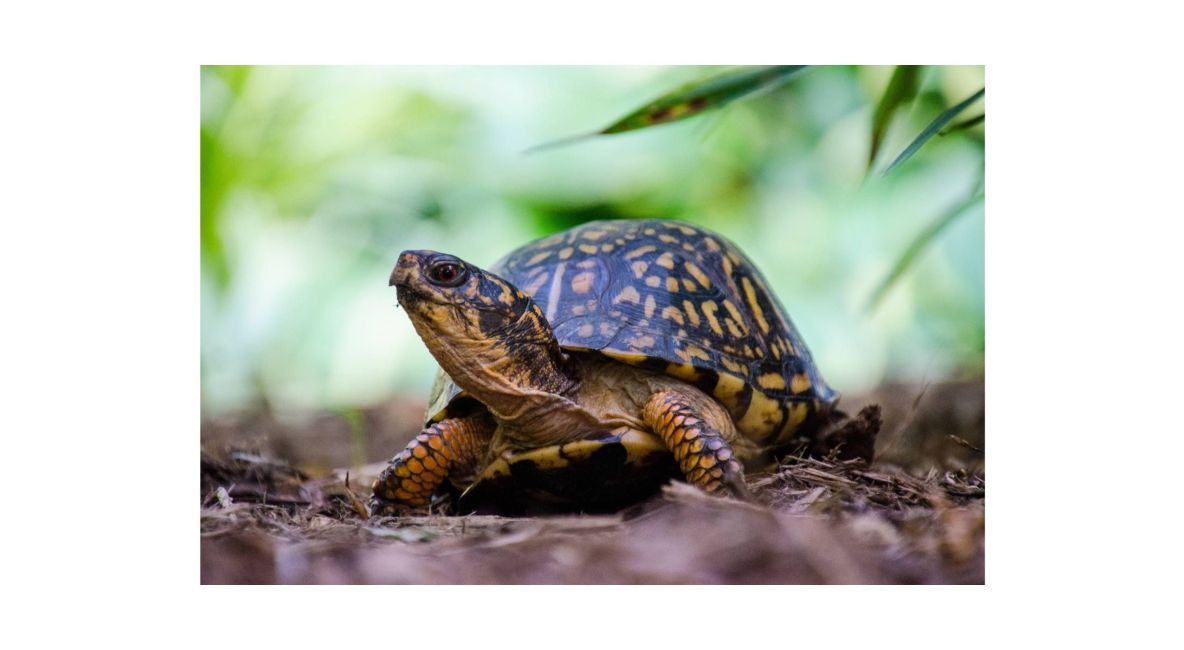
As temperatures rise and spring arrives, wildlife becomes more active across the United States. For reptile enthusiasts and everyday drivers alike, this season brings an important responsibility: protecting turtles on roadways and knowing how to safely handle snake encounters in the wild.
Whether you're commuting, hiking, or exploring nature, understanding these behaviors can help save animal lives and keep you safe.
Why Are Turtles Crossing the Road in Spring?
Spring marks the beginning of breeding and nesting season for many turtle species. During this time, turtles—especially females—travel long distances in search of suitable nesting sites.
Common Reasons Turtles Are on the Road
-
Searching for nesting areas
-
Moving between water sources
-
Following seasonal migration patterns
Unfortunately, roads often cut through these natural travel routes, putting turtles at serious risk.
How to Help Turtles Crossing the Road
If you spot a turtle on the road, your actions can make a life-or-death difference.
What You Should Do
-
Slow down and stay alert in areas near ponds, rivers, and wetlands
-
If it is safe to do so, stop and help the turtle cross
-
Always move the turtle in the direction it was already heading
-
Handle with care, as some turtles may scratch when frightened
What You Should Not Do
-
Do not move the turtle back to where it came from
-
Do not take the turtle home or relocate it to another area
-
Do not put yourself in danger by stopping in unsafe traffic conditions
Special Note About Snapping Turtles
Snapping turtles should be handled with extra caution. If assistance is necessary, use a firm grip at the back of the shell or gently guide the turtle with a safe object. Avoid placing your hands near the head.
What to Do If You Encounter a Snake in the Wild
Spring is also a peak activity period for snakes as they emerge from brumation, a reptile form of winter dormancy. While many people fear snakes, most species are non-venomous and prefer to avoid human interaction.
Stay Calm and Give the Snake Space
If you see a snake:
-
Stop and observe from a safe distance
-
Do not attempt to touch or handle it
-
Allow it room to move away naturally
In most situations, snakes will choose to retreat rather than confront a person.
How to Stay Safe Around Snakes
Following a few simple precautions can help prevent unwanted encounters:
-
Watch where you step, especially in tall grass or rocky areas
-
Avoid reaching into places you cannot clearly see
-
Keep pets and children close while on trails
-
Learn to identify common snake species in your region
If you encounter a venomous snake, back away slowly and leave it alone.
Why Protecting Reptiles Matters
Turtles and snakes play an important role in maintaining healthy ecosystems.
Benefits of Turtles
-
Help keep waterways clean
-
Support aquatic ecosystem health
Benefits of Snakes
-
Help control rodent populations
-
Contribute to natural ecological balance
Both groups are important contributors to biodiversity and healthy environments.
Respect Wildlife This Spring
Spring is one of the best times to enjoy the outdoors, but it also requires awareness and responsibility.
When you're on the road or exploring nature:
-
Watch for turtles crossing roadways
-
Respect snakes from a safe distance
-
Share wildlife safety knowledge with others
By taking small actions and encouraging others to do the same, we can help protect native wildlife and preserve natural ecosystems for future generations.


