

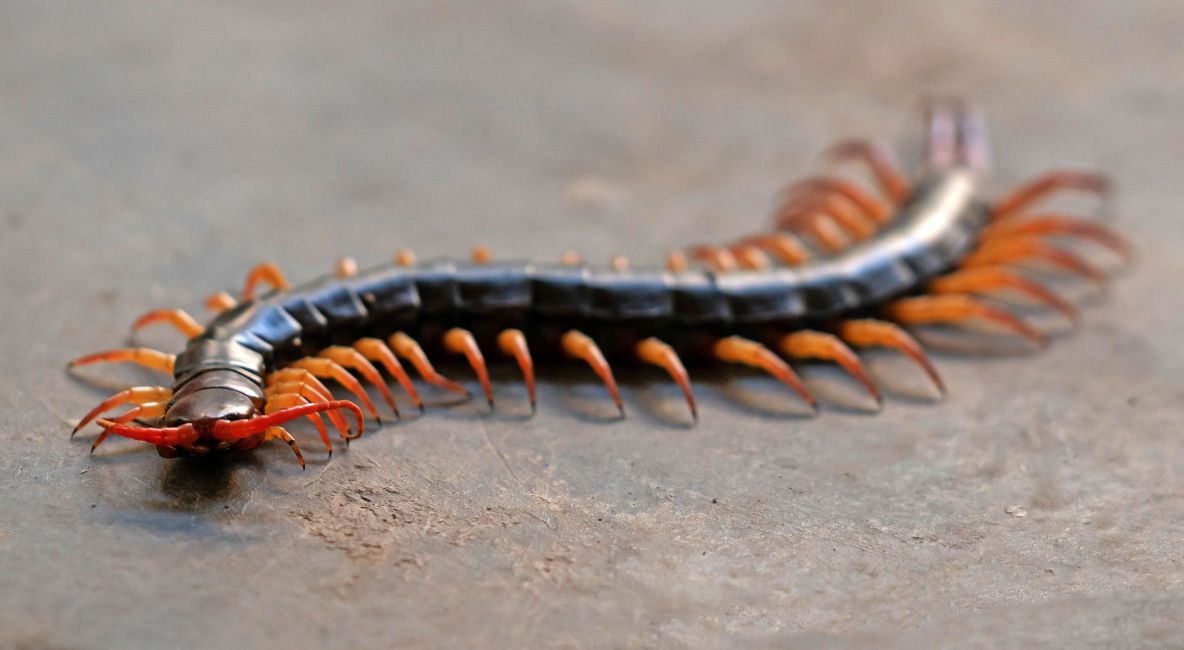
Looking for a pet that’s equal parts ancient, alien, and awe-inspiring? Meet the centipede—nature’s fast-moving predator with a style all its own. With sleek bodies, hypnotic movement, and lightning-fast reflexes, centipedes feel like something out of a sci-fi movie. But they’re very real—and you can keep one as a pet.
Let's explore what makes centipedes so fascinating, share some intriguing facts, and walk you through the basics of caring for your very own many-legged marvel.
Why Centipedes Are Seriously Cool
Centipedes aren’t your average exotic pet—and that’s exactly the appeal. Here’s why they’ve earned a devoted following among invertebrate enthusiasts:
All. The. Legs.
Centipedes can have anywhere from 30 to over 300 legs, depending on the species. Their legs move in a rippling wave as they run, which is mesmerizing to watch. Fun fact: they always have an odd number of leg pairs. Strange? Definitely. But also fascinating.
Striking Appearance
From fiery orange limbs to jet-black bodies with metallic sheens, many centipede species look like they stepped out of an alien rainforest. Tropical varieties, especially those in the Scolopendra genus, often feature vivid colors and dramatic patterns.
Speed and Agility
These creatures don’t just crawl—they sprint. House centipedes (Scutigera coleoptrata), for example, can move at up to 1.3 feet per second. Not bad for an animal that’s only a few inches long.
Ancient Survivors
Centipedes have been roaming Earth for over 430 million years—predating dinosaurs, mammals, and even many plant species. They’re true living fossils.
Glow in the Dark
Believe it or not, some centipedes fluoresce under ultraviolet (UV) light, much like scorpions. Shine a blacklight and watch them glow—another reminder of just how otherworldly these creatures are.
Thinking of Getting One? Here's Your Beginner Care Guide
Centipedes may not be beginner pets in the cuddly sense, but they’re surprisingly low-maintenance if you understand and respect their needs.
Enclosure Setup
-
Size: Small to medium enclosures, depending on the species.
-
Material: Use glass or acrylic with a secure lid—centipedes are skilled escape artists.
-
Substrate: 2–4 inches of moist coconut fiber, peat moss, or soil for burrowing.
-
Decor: Add cork bark, rocks, and leaf litter to simulate their natural habitat.
-
Lighting: No special lighting required. Most centipedes are nocturnal and prefer dim conditions.
Temperature & Humidity
-
Temperature: Aim for 75–85°F for most tropical species.
-
Humidity: Maintain 70–80%. Keep the substrate damp (but not soaked) and mist lightly every few days.
Feeding
-
Diet: Live prey such as crickets, roaches, mealworms, or small locusts.
-
Schedule: Feed every 3–5 days. Remove uneaten prey within 24 hours to prevent stress or enclosure mess.
Maintenance
-
Spot clean weekly.
-
Replace substrate monthly or as needed.
-
No need for major cleanups—centipedes are relatively tidy pets.
Are Centipedes Safe?
Centipedes do possess venom, which they use to immobilize prey—not humans. That said, larger species can deliver a painful bite if provoked, so these are definitely look-but-don’t-touch pets.
Safety tips:
-
Never handle with bare hands.
-
Use soft brushes or tongs for enclosure maintenance.
-
Keep the enclosure securely closed at all times.
With proper care and caution, centipedes are non-aggressive, quiet, and low-drama companions.
Great Beginner Species
If you’re considering entering the world of centipede keeping, start with one of these commonly kept species:
| Species | Size | Temperament | Notes |
|---|---|---|---|
| Scutigera coleoptrata | 1–2" | Docile, fast | Common house centipede; easy to observe |
| Scolopendra polymorpha | 4–6" | Moderate | U.S. native with appealing color patterns |
| Ethmostigmus rubripes | 6–8" | Bold | Tropical species with striking coloration |
Final Thoughts: For the Bold and Curious
Centipedes aren’t for everyone—but for exotic pet lovers seeking something truly unique, they offer a rare glimpse into the prehistoric world. With fascinating adaptations, striking looks, and relatively low care demands, centipedes are one of the most captivating invertebrates you can keep.
Whether you’re a nature enthusiast, insect collector, or just someone who appreciates the unusual, a centipede might just be the perfect addition to your collection.


