

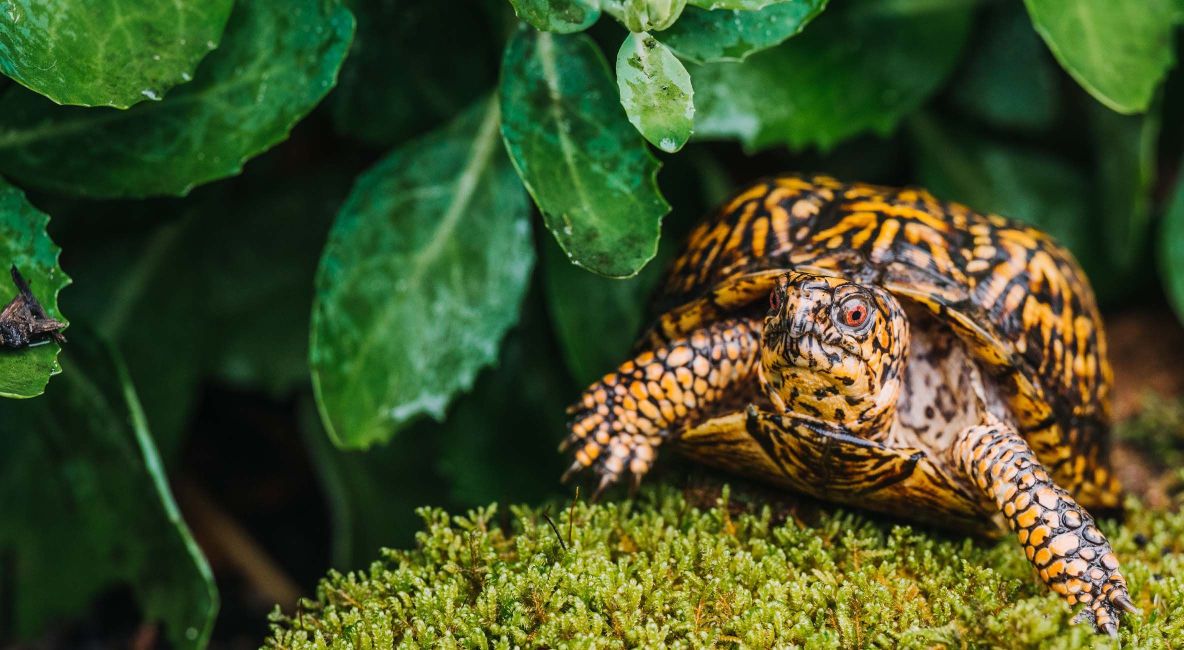
Box turtles, beloved for their unique appearance and gentle disposition, have a remarkable ability to survive harsh winters through a process called brumation. This is similar to hibernating, but since turtles are cold-blooded, it is referred to as brumation.
Preparing for Brumation
As temperatures begin to drop, box turtles instinctively sense the impending winter and start preparing for their extended period of dormancy. This process typically begins in the late fall or early winter, depending on the region and specific climate conditions.
Box turtles showcase their innate digging skills as they seek out suitable locations. These locations are often found underneath the leaf litter, in soils, or beneath fallen logs. The chosen site offers insulation and protection from the frigid temperatures above ground.
Burrowing Behavior
Once a suitable location is identified, box turtles begin the process of burrowing. Using their robust forelimbs, they tirelessly dig into the ground, creating a small tunnel that leads them to a depth below the frost line. Here, the temperature remains relatively stable and provides the necessary environment for their winter slumber.
Box turtles use their hind legs and strong carapace (upper shell) to push the soil aside, creating a cozy hollow in which they will spend the entire winter. This burrow serves as their shelter, shielding them from below-freezing temperatures, the absence of food, and other environmental stresses.
Brumation Process
Brumation is a complex adaptation that allows box turtles to conserve energy and survive in conditions unfavorable for active life. During this period, their metabolic rate slows down dramatically, reducing the need for energy intake. This slowing of bodily functions helps them conserve vital resources and endure the scarcity of food throughout the winter months.
While in this period of rest, the box turtle's heart rate, rate of respiration, and overall bodily functions decrease significantly, resulting in a state of deep sleep. Their body temperature aligns with the surrounding environment, allowing them to survive even in freezing temperatures.
Survival Strategies
Box turtles employ various survival strategies to endure brumation successfully. Some of these strategies include:
Lowering metabolic rate: By reducing their metabolic rate, box turtles minimize energy expenditure and conserve limited resources during hibernation.
Glycogen storage: Before entering hibernation, box turtles ensure their bodies are stocked with glycogen, a stored form of glucose. Glycogen provides them with a readily available energy source throughout the winter.
Warm microclimates within burrows: Despite the predominantly low temperatures outside, the burrows box turtles create function as microclimates. The soil insulation helps maintain a temperature that is above freezing, further supporting their survival.
The brumation of box turtles exhibits the remarkable adaptations and resilience of these fascinating creatures. As they burrow into the ground for the winter, box turtles enter a state of deep sleep characterized by physiological changes to lower their metabolic rate and conserve energy. Through this adaptive process, box turtles ensure their survival in the face of freezing temperatures and limited food availability until the arrival of warmer months. Witnessing the unique burrowing of box turtles reminds us of the incredible strategies wildlife employs to thrive and endure in diverse environments.


