

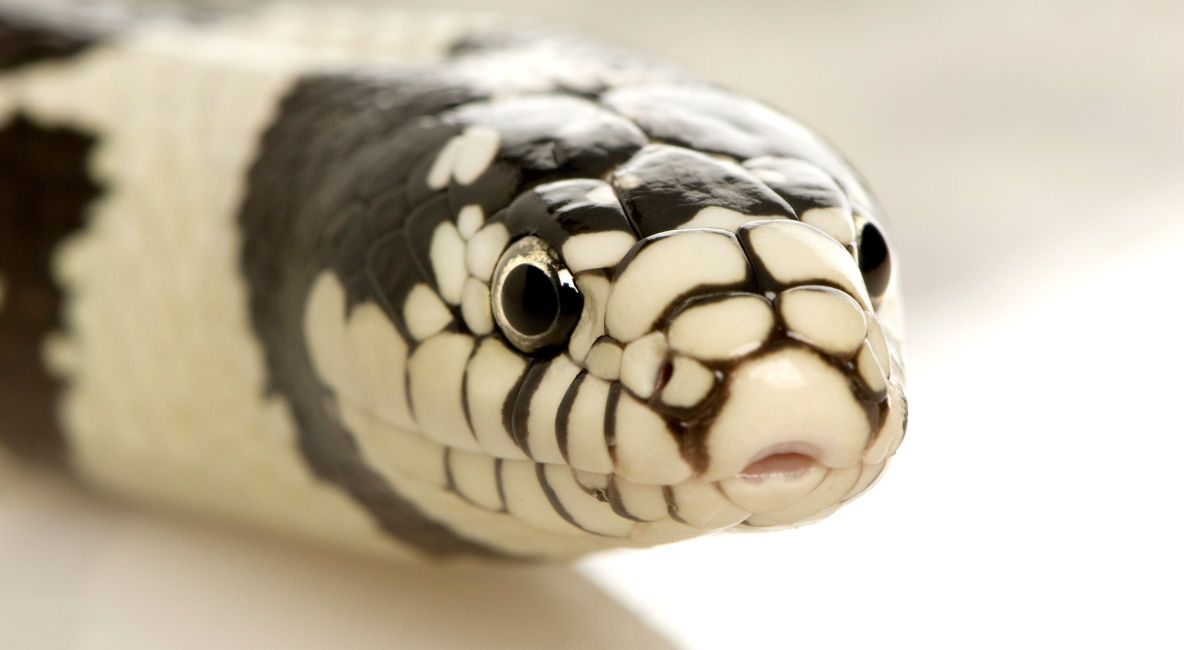
The California Kingsnake (Lampropeltis californiae) is a popular pet snakes in the reptile community. Known for its bold banded pattern, manageable size, and relatively simple care needs, this species offers both new and experienced reptile keepers a rewarding ownership experience.
Natural Range and Behavior
California Kingsnakes are native to the western United States and parts of northern Mexico. Their range includes a wide variety of ecosystems — from deserts and grasslands to forests and coastal regions — and they’re remarkably adaptable to environmental changes. This flexibility is one of the reasons they’ve become so successful in both the wild and in captivity.
In the wild, Kingsnakes are solitary and terrestrial, although they will occasionally climb when the opportunity presents itself. They are active during the day in cooler months and become more nocturnal as temperatures rise. Their natural instincts revolve around security, hunting, and thermoregulation, which are important to keep in mind when designing their captive environments.
A Natural Predator — Even of Other Snakes
One of the most fascinating things about the California Kingsnake is its diet and predatory behavior. In the wild, these snakes feed on a variety of animals including rodents, birds, lizards, and other reptiles. They are even known to prey on other snakes, including venomous species such as rattlesnakes — a feat made possible by their natural resistance to certain types of venom.
Kingsnakes are constrictors, which means they subdue prey by coiling around it and applying pressure until the prey stops breathing. In captivity, they transition easily to frozen-thawed rodents and are generally strong feeders, which is a plus for most keepers.
Appearance and Color Variations
The classic California Kingsnake is instantly recognizable by its alternating bands of dark brown or black with white or cream-colored stripes. These distinctive markings can vary depending on the region, with some wild individuals showing more speckled or striped appearances.
In captivity, selective breeding has resulted in a wide variety of color morphs and pattern variations. Some of the more common morphs include high white, albino, lavender, and striped varieties. While these changes in appearance have no impact on the animal’s health or temperament, they offer keepers the opportunity to choose a snake that suits their aesthetic preferences.
General Care
California Kingsnakes are widely regarded as one of the most manageable snake species to care for. Their adaptability and resilience make them a good fit for both first-time and experienced reptile keepers.
In captivity, they require a secure, escape-proof enclosure with access to both warm and cool areas so they can regulate their body temperature. Inside the enclosure, provide suitable substrate that allows for burrowing, along with a few hiding places and a clean water dish. Kingsnakes also benefit from environmental enrichment, such as branches or décor they can explore.
With consistent care, California Kingsnakes can live 15 to 20 years or more, making them a long-term but rewarding commitment.
The California Kingsnake is an excellent example of a reptile that combines natural resilience with captivating beauty. Its varied appearance, strong feeding response, and relatively simple care requirements make it a great choice for responsible keepers looking to gain experience or expand their collection.
Whether you're drawn to their striking patterns, their fascinating ecological role, or their reliable care needs, California Kingsnakes offer a rewarding and educational reptile-keeping experience.


