

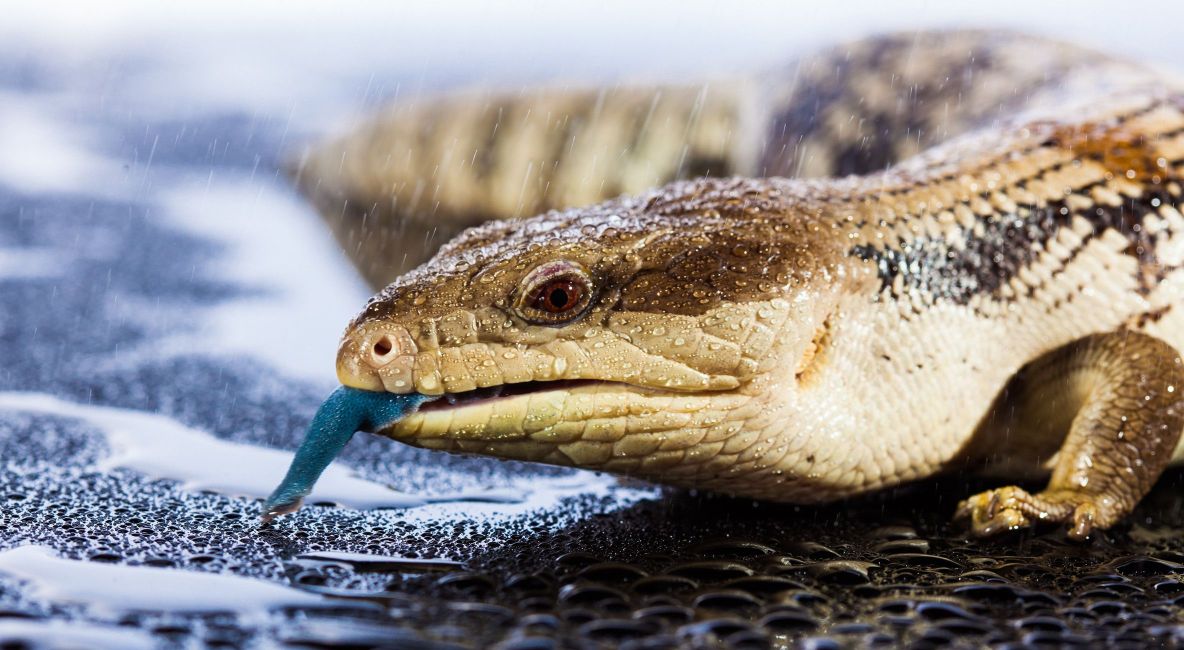
Discovering Blue Tongue Skinks: Fascinating Facts and Care Tips
Blue tongue skinks are captivating reptiles that make for intriguing pets. With their unique appearance and friendly personalities, they have gained popularity among reptile enthusiasts. Here’s an overview of what makes blue tongue skinks special, along with essential tips for keeping them in captivity.
Fun Facts about Blue Tongue Skinks
Distinctive Appearance
True to their name, blue tongue skinks are easily recognized by their vivid blue tongues, which they display as a warning to potential predators. Their elongated bodies exhibit a variety of colors and patterns depending on the species, adding to their visual appeal.
Varied Diet
Unlike many lizards that primarily consume insects, blue tongue skinks are omnivores. In their natural habitats, they enjoy a diverse diet that includes plants, fruits, insects, and even small mammals, making their feeding habits versatile and interesting.
Heat Regulation
As ectothermic (cold-blooded) creatures, blue tongue skinks rely on external heat sources to maintain their body temperature. They often bask in the sun to warm up, showcasing their need for a well-regulated environment.
Behavioral Traits
Known for their calm demeanor, blue tongue skinks can be quite social and often adapt well to handling. With patience, they can become affectionate companions, enjoying interaction with their owners.
Lifespan
With proper care, blue tongue skinks can live for 15 years or more in captivity. This longevity makes them a long-term commitment for pet owners, highlighting the importance of responsible care.
Color Variations
Several species of blue tongue skinks exist, including the Eastern, Southern, and Northern blue tongue skinks. Each species showcases unique colorations and sizes, offering a variety of options for potential owners.
Native Habitat
Blue tongue skinks are native to Australia and New Guinea, where they inhabit forests, grasslands, and scrublands. Understanding their natural environment helps in creating a suitable habitat in captivity.
Keeping Blue Tongue Skinks in Captivity
Habitat Setup
Providing a spacious enclosure is crucial, with a minimum of 40 gallons recommended for an adult skink. The habitat should include hiding spots, climbing branches, and substrate that allows for burrowing, mimicking their natural environment.
Temperature Gradient
A proper temperature gradient is essential for their well-being. Create a basking area around 100°F (38°C) and a cooler area around 75°F (24°C) to allow the skink to thermoregulate effectively.
Lighting
Full-spectrum UVB lighting is vital for their health, as it helps them synthesize vitamin D3, crucial for calcium metabolism. This lighting ensures your skink stays healthy and thrives.
Diet
Offer a balanced diet that includes high-quality pellets, fresh fruits, vegetables, and occasional protein sources like insects. Avoid foods high in oxalates, such as spinach, to maintain their health.
Water Source
Fresh water should always be available. Consider providing a shallow water dish where they can soak, as blue tongue skinks enjoy humidity.
Handling
Gentle handling is important to build trust with your skink. However, avoid excessive or rough handling, as it can lead to stress. Respect their comfort levels to ensure a positive relationship.
Health Monitoring
Regularly check for signs of health issues, such as changes in appetite or behavior. Routine visits to a reptile vet can help maintain their health and catch any problems early.
Socialization
If you have multiple skinks, it’s advisable to keep them separated unless breeding, as they can become territorial. Ensuring each skink has its own space helps prevent stress and aggression.
By following these guidelines and understanding the unique nature of blue tongue skinks, pet owners can create a safe and enriching environment for these fascinating reptiles. With their striking appearance and engaging personalities, blue tongue skinks can be delightful companions, making them a rewarding choice for reptile enthusiasts.


