
As reptile keepers, we strive to create the most suitable and comfortable environment for our cold-blooded companions. One critical aspect of maintaining this environment is the regulation of temperature, which is vital for the health and well-being of reptiles. A thermostat is an essential tool in this aspect, helping us manage heat sources effectively.
Understanding Reptile Temperature Needs
Reptiles are ectothermic, meaning they rely on external heat sources to regulate their body temperature. Unlike mammals, they cannot generate their own body heat, and their metabolic processes are closely tied to the surrounding environment. Therefore, providing a thermally regulated habitat is critical.
Basking and Thermal Gradient
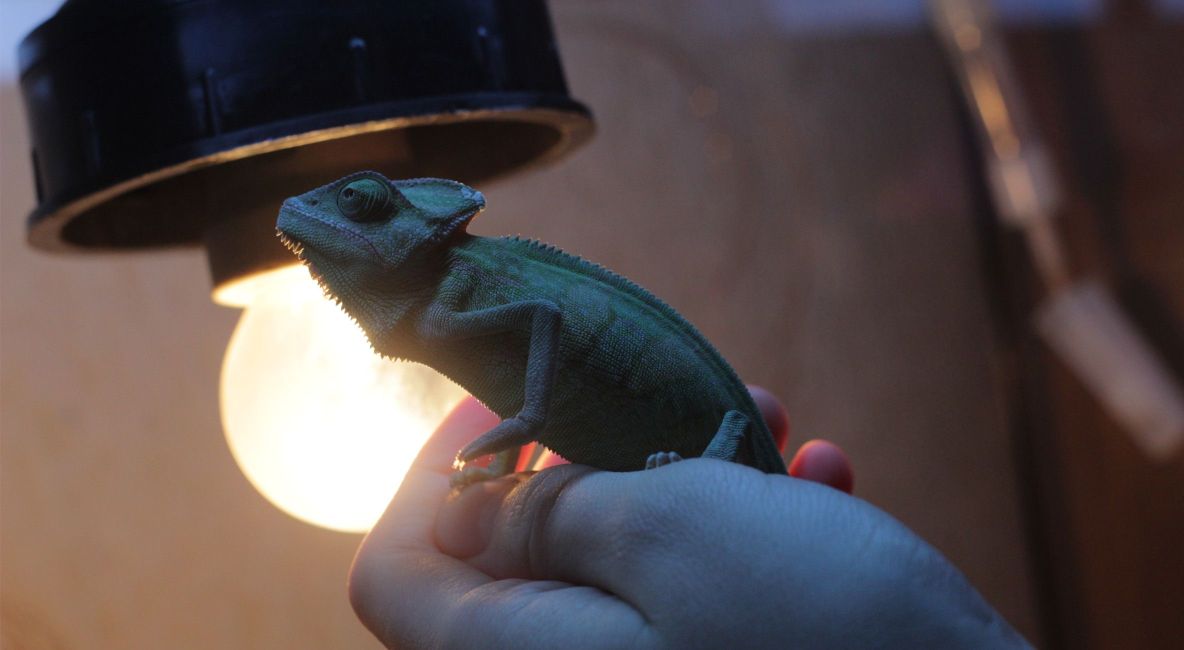
Reptiles require specific basking temperatures to promote digestion, metabolism, and overall energy levels. Additionally, a thermal gradient (the range of temperatures from cool to hot within their habitat) allows reptiles to regulate their body temperature by moving between different areas.
Health Implications
Incorrect temperatures can lead to a range of health issues, including metabolic disorders, digestive problems, and weakened immune systems. Overheating can result in fatal heat stress, while insufficient heat interferes with proper bodily functions.
Why a Thermostat is Essential
Precise Temperature Control
A thermostat accurately monitors and maintains the desired temperature range for your reptiles. This precision is crucial because slight fluctuations can be harmful, particularly in sensitive species.
Prevention of Overheating
Heat sources such as heat mats, bulbs, or ceramic heaters can become excessively hot if left unchecked. A thermostat automatically cuts off power to the heat source when the set temperature is reached, preventing overheating and ensuring a safe environment.
Energy Efficiency
By regulating the power to heat sources, thermostats reduce energy consumption, making them cost-effective in the long run. They prevent heaters from running continuously, which can help lower electricity bills while maintaining stable temperatures.
Peace of Mind
Knowing that a thermostat is actively managing your heat sources allows for peace of mind. It alleviates the worry of potential temperature spikes that could harm your reptiles, allowing you to focus on their care and enjoy their unique behaviors.
Choosing the Right Thermostat
When selecting a thermostat for your reptile setup, consider the following:
Type of Thermostat
There are various types of thermostats available, including analog and digital options. Digital thermostats often offer more precise temperature readings and features, such as programmable settings.
Compatibility with Heat Sources
Ensure that the thermostat is suitable for the type of heat source you're using and can handle the wattage without risk.
Probes and Sensors
Look for thermostats with high-quality probes for accurate temperature readings. Some models allow for multiple temperature sensors, enabling the monitoring of different areas within the habitat.
User-Friendly Features
A user-friendly interface makes it easier to set and adjust temperatures. Some thermostats even come with smartphone compatibility for remote monitoring.
Installing a thermostat on heat sources in reptile habitats is not just a good practice, but a crucial aspect of reptile care. By maintaining stable temperatures and preventing overheating, a thermostat greatly contributes to the health and well-being of your reptiles. Taking the time to invest in a reliable thermostat provides your reptiles with the best chance at thriving in a controlled environment. Remember, the well-being of our cold-blooded companions rests in our hands, and a thermostat is one of the best tools to help us achieve this goal.


